

Can AI Save Jobs?
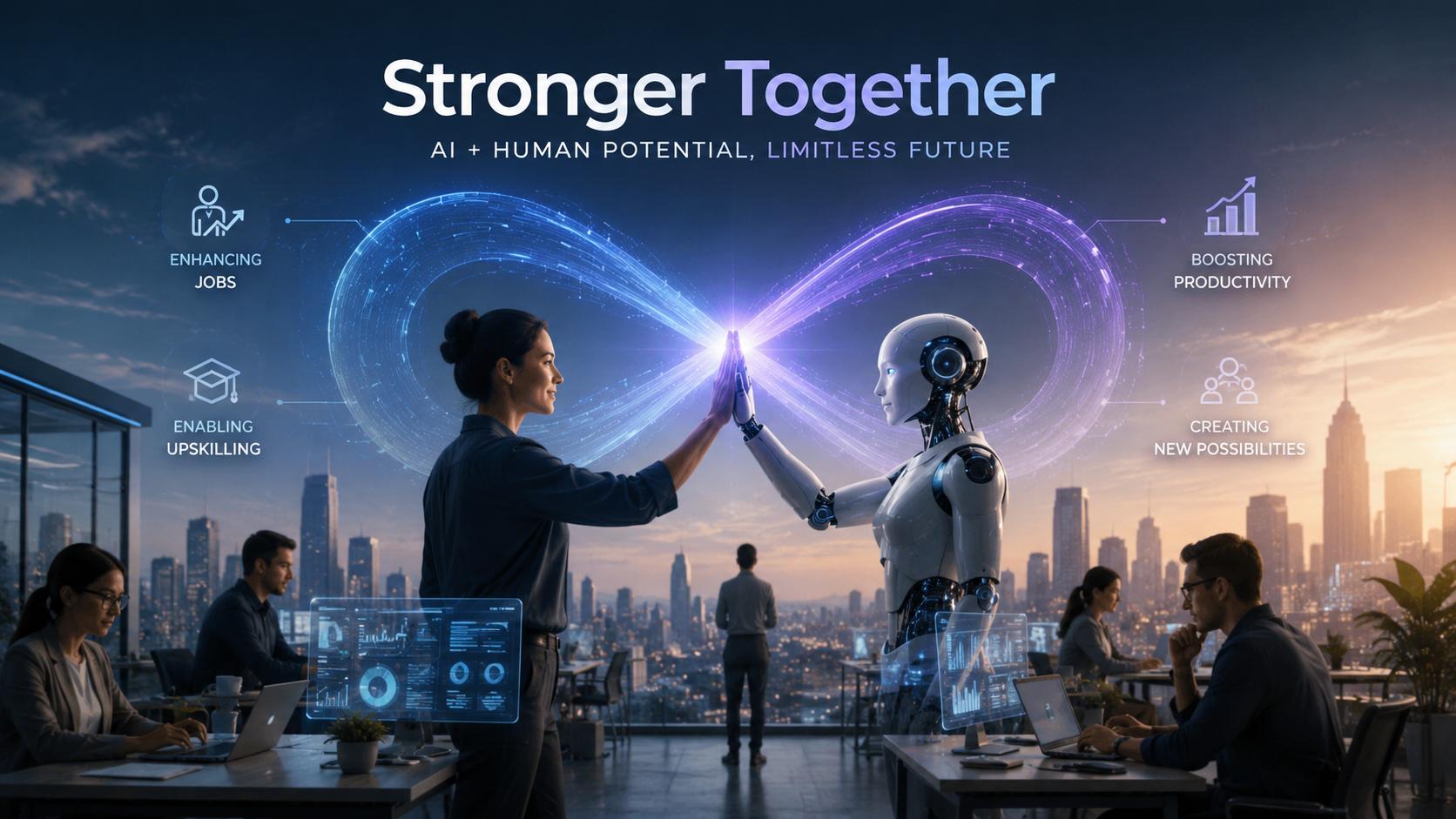
Global hiring markets face unprecedented shifts as automated systems redefine traditional roles. However, recent data indicates that this technological transition actually preserves employment, raising the question: can AI save jobs? Indeed, the World Economic Forum predicts net growth of seventy-eight million positions by 2030. Many sectors experience rising application rates even within highly automated functions. This paradox occurs because platforms augment human capabilities rather than replacing workers. Employers increasingly value workers who can collaborate with complex algorithms. Meanwhile, the rapid adoption of machine learning tools streamlines tedious daily operations. Active staff members utilize digital assets to complete high-level cognitive tasks.
Workforce Expansion
Net Employment Outlook
This operational shift allows professionals to dedicate more time to strategic responsibilities. Microeconomic research suggests that over fifty percent of US roles will change. Therefore, forward-looking leaders must integrate technical resources with human talents. These adaptive strategies protect existing payrolls while fostering organic corporate growth. Managers should view smart software as a highly supportive, helpful corporate partner. Hence, thoughtful integration prevents the sudden elimination of valuable department positions. Businesses maximize productivity when employees work alongside intelligent assistants. This collaborative environment ensures long-term job security across diverse global industries.
Reimagining Dynamics
Workforce Mutation Tracker
Empowering Employees Through Targeted Upskilling
Business leaders recognize that successful technology integration requires substantial personnel development. Roughly eighty percent of the global workforce must acquire new competencies by 2027. Many employees mistakenly assume their current administrative skills will remain relevant indefinitely. Instead, a major training gap threatens organizations that ignore structured educational programs. Importantly, outdated skill sets could lead directly to workforce reductions in competitive industries. Proactive enterprises find that continuous learning pathways effectively protect payrolls. Specifically, training initiatives help workers transition from routine processing to advanced analytics. Employers must dedicate resources to prepare their teams for future challenges.
Intelligent learning portals analyze individual profiles to recommend tailored career development courses. These custom recommendations allow employees to acquire modern credentials at their own pace. Furthermore, staff members gain hands-on experience using state-of-the-art diagnostic applications. Companies like Mastercard reduce recruitment expenditures by thirty percent via internal mobility. Staff retention improves as workers visualize clear advancement opportunities within their current firms. Alternatively, talent marketplaces match passive candidates with exciting internal project openings. Employees appreciate the unique chance to build new capabilities without changing employers. This internal flexibility reduces onboarding delays and lowers external hiring expenses.
Target Target Rate
Global Competency Upskilling
Measurable Efficiency Gains in Human Resources
Recent case studies show how automated platforms optimize high-volume administrative tasks. For instance, recruitment tools compress hiring timelines from twenty-four days to just ten. This accelerated process saves engineering teams hundreds of hours of manual resume reviews. Candidates receive responses in minutes rather than waiting several days for updates. Moreover, applicant matching software identifies ideal candidates early in the selection funnel. HR personnel can focus on personal interview evaluations instead of managing logistics. Interview-to-offer ratios increase dramatically when firms deploy automated screening assistants. This efficient framework prevents applicant dropouts and strengthens corporate talent brands.
Larger companies leverage conversational virtual assistants to handle routine employee inquiries. Platforms like IBM Watson resolve ninety-four percent of common HR questions automatically. This automated software system lowers total administrative expenses by forty percent. Additionally, virtual portals help workers check benefits and request time off. Immediate access to important information prevents minor workplace frustrations from escalating. Consequently, staff satisfaction rises as administrative roadblocks disappear from the office. Human managers remain free to address interpersonal challenges and coaching. Digital tools eliminate tedious manual paperwork while keeping people at the center of operations.
Metrics Overview
Human Resources Shift Matrix
Human-in-the-Loop Frameworks for Critical Industries
High-stakes fields require continuous oversight to prevent errors and ensure ethical compliance. In healthcare, clinical-grade systems support doctors but never make final medical diagnoses. Over fifty percent of patients utilize online diagnostic resources to research symptoms. Simultaneously, medical professionals spend critical consultation periods explaining machine-generated insights to patients. This direct communication enhances health literacy and fosters stronger patient relationships. Thus, clinical software enhances diagnostic accuracy without replacing vital face-to-face medical care. Nurses leverage virtual tools to quickly summarize academic literature and patient records. Human professional judgment remains the essential safeguard in modern healthcare environments.
Similarly, software engineering teams integrate automated assistants to accelerate system development. Coders use these tools to generate drafts and identify security vulnerabilities. Nonetheless, human experts must test and verify all code before production deployment. This oversight prevents catastrophic system failures and aligns outputs with strict standards. The developer’s role evolves from writing basic commands to architecting complex platforms. Accordingly, human-AI synergy drives massive productivity gains across the technology sector. Skilled software engineers remain in high demand to supervise these automated systems. Companies must avoid fully autonomous operations to protect overall product quality.
Safeguarding Rights Through Ethical and Legal Standards
Emerging regulations force global corporations to implement robust worker protection frameworks. For example, the European Union classifies workplace employment algorithms as highly sensitive. New laws mandate clear human supervision for automated performance monitoring systems. Hence, companies cannot rely solely on black-box machines to evaluate employee performance. Banned practices like algorithmic emotion tracking protect workers from intrusive corporate surveillance. Regulatory compliance helps build mutual trust between executives and employees. Likewise, audit requirements prevent biased training data from reinforcing historical inequities. Organizations must design transparent systems that respect worker privacy rights.
Leaders must proactively audit internal databases to identify and eliminate systemic bias. Undeniably, fair deployment strategies ensure technology empowers the existing talent pool. These ethical structures preserve roles while establishing modern standards for workplace dignity. Organizations that prioritize fair practices cultivate a highly motivated and loyal workforce. Concurrently, forward-thinking executives replace rigid job titles with dynamic, skills-based career paths. Employees feel valued when companies invest in their professional growth and security. Ultimately, human oversight represents the final safeguard for a balanced workforce. Protecting existing jobs requires a thoughtful blend of technological innovation and human empathy.
Support Our Work
Help us keep creating and maintaining our projects. We appreciate your support!
Ways to contribute:
Shop via Affiliate LinksSupport us at no extra cost to you while you shop.
Support on Ko-fiBuy us a coffee to keep the engine running!





Leave a Reply