


- The device does not come with headphones or a SIM card. It does include a generic (Mfi certified) charger and charging c…
Strategy Behind Latest iPhone Rumors
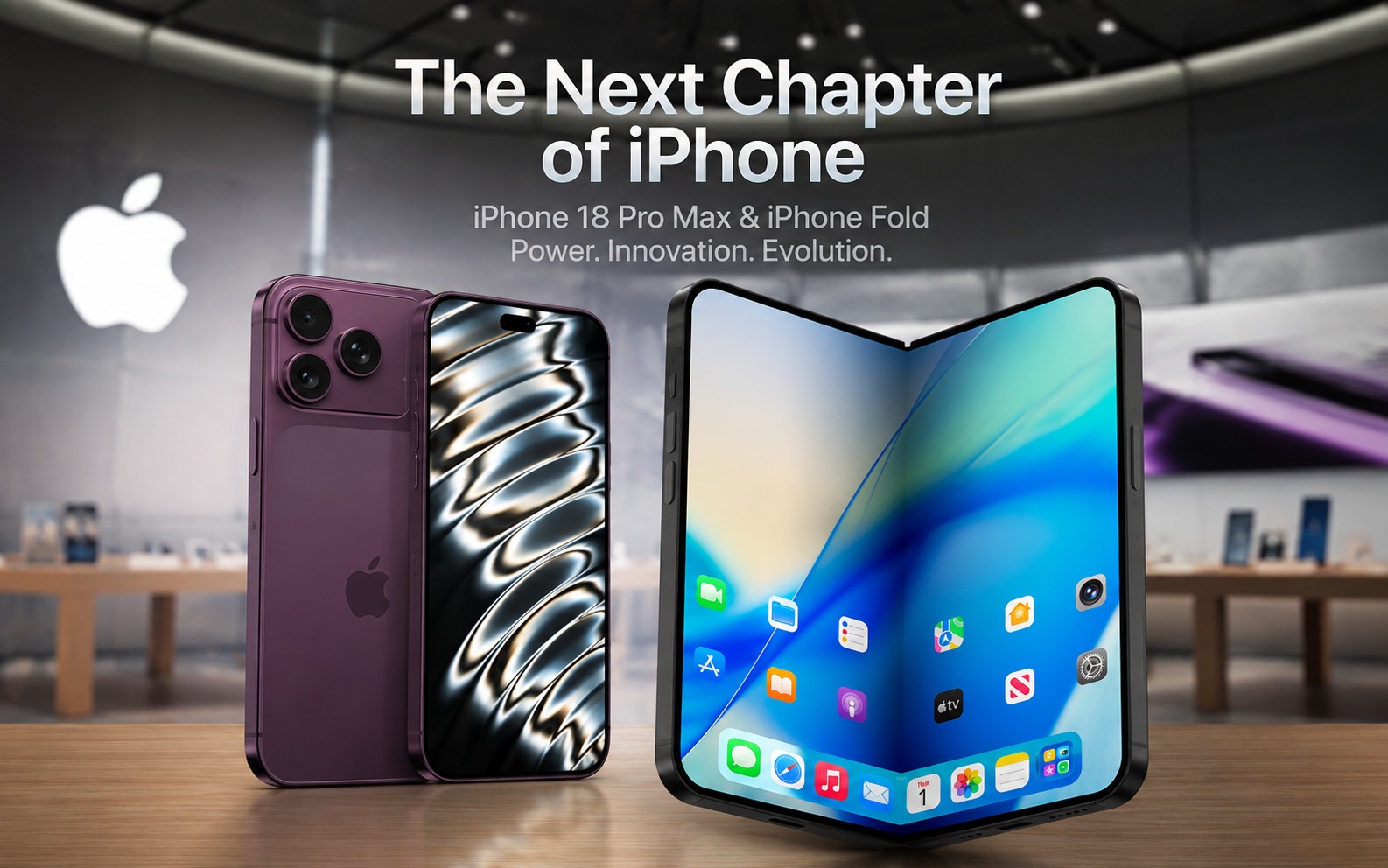
Apple plans a major shift in its upcoming hardware release calendar. Reports about the Latest iPhone Rumors reveal a two-phase product launch schedule. Consequently, premium flagship models will arrive during the traditional autumn timeline. Standard devices will instead debut during the following spring season. The fall launch features the iPhone 18 Pro and Pro Max handsets.
Additionally, Apple will introduce its first folding smartphone during this fall event. Standard buyers must wait longer for regular generation hardware upgrades. Supply chain analysts expect this timing shift to optimize global factory production. Meanwhile, early component manufacturing yields remain tightly constrained at advanced chip nodes. Apple wants to maximize revenue by prioritizing high-margin pro devices first.
Hardware Evolution and Technical Specifications
Premium Pro handsets will feature TSMC’s advanced two-nanometer A20 Pro processors. Furthermore, these custom chips provide massive processing power gains and energy efficiency. Apple also installs its custom C2 modem chip to replace third-party components. Display designs feature power-efficient LTPO+ panels for superior overall battery endurance. Engineers effectively reduced the Dynamic Island cutout using under-display component technology.
Primary cameras gain variable aperture lenses for vastly improved low-light mobile photography. Therefore, users will capture much clearer photos across diverse lighting environments. Internal battery capacities increase noticeably across all regional model variants. American Pro Max versions could feature powerful batteries reaching 5,567 milliamp hours. Specifically, leak testing indicates new color options including a striking dark cherry.
The First Folding Smartphone Design
The flagship folding handset marks Apple’s most radical design shift in decades. Indeed, leaks detail a book-style folding casing with an iPad-like aspect ratio. The internal display expands to approximately 7.8 inches across its diagonal length. Outer frame materials utilize a durable blend of titanium and lightweight aluminum. Advanced hinge engineering reduces display crease depth below 0.15 millimeters.
Space constraints inside the ultra-thin chassis forced several hardware compromises. However, engineers substituted Touch ID side buttons because Face ID sensors were too thick. Dual rear cameras replace the larger triple lens arrays found on standard Pro models. Performance remains top-tier with an A20 chip and twelve gigabytes of system memory. Ultimately, retail pricing for this premium foldable could easily top two thousand dollars.
Supply Chain Realities and Strategic Outlook
Rising memory costs create considerable pressure on overall corporate profit margins. Hence, corporate procurement leads negotiate aggressively with major display panel suppliers. Display manufacturers accepted lower per-unit prices despite technical manufacturing challenges. Next-generation OLED screens utilize M16 organic material stacks for enhanced display brightness. Silicon fabrication shortages further compel Apple to diversify global component sources.
Multi-billion dollar commitments with Broadcom expand domestic semiconductor manufacturing facilities. Moreover, strict environmental policies enforce complete reliance on recycled battery cobalt. Staggering product releases fundamentally changes regular buying cycles for millions of consumers. Standard smartphone buyers must now wait longer before acquiring baseline generational upgrades. Thus, Apple strengthens its financial resilience while advancing mobile technological boundaries.
Support Our Work
Help us keep creating and maintaining our projects. We appreciate your support!
Ways to contribute:
Shop via Affiliate LinksSupport us at no extra cost to you while you shop.
Support on Ko-fiBuy us a coffee to keep the engine running!






Leave a Reply