

Analyzing the Rumor: NVIDIA Ends RTX 5090?
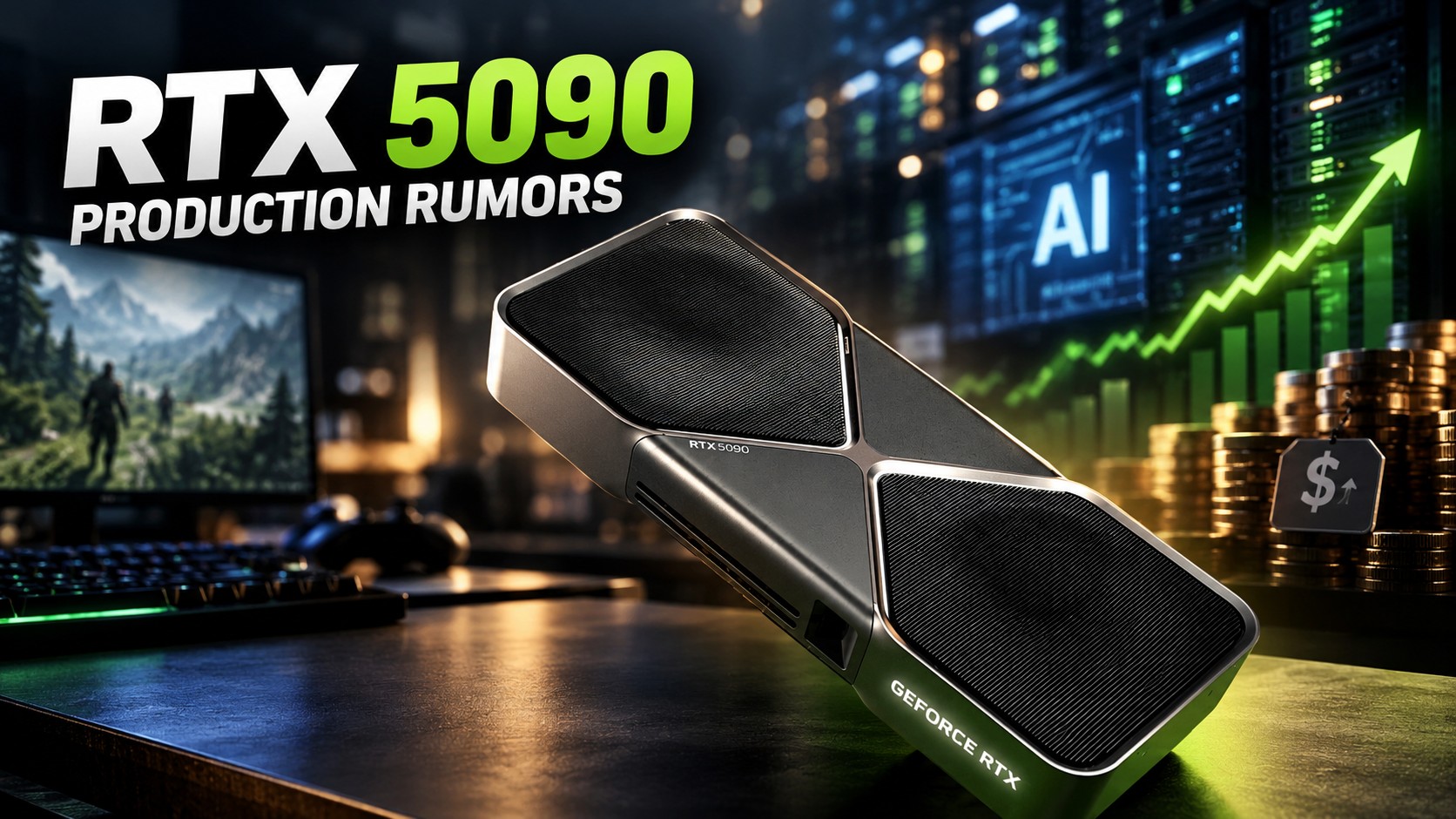
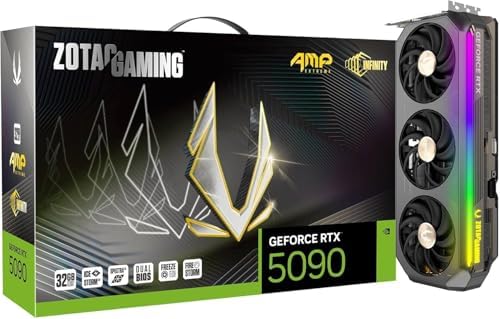
The PC hardware community faces a shocking new rumor today. Enthusiasts everywhere are asking a major question. Is it true that NVIDIA Ends RTX 5090? Meanwhile, this flagship graphics card launched in January 2025. Customers eagerly paid the $1,999 asking price. However, prominent leakers suggest a complete production halt. This blog explores the complex reality behind these claims.
Two reliable insiders recently shared alarming factory updates. Specifically, the manufacturer allegedly canceled consumer GB202 processor allocation. These top-tier chips will exclusively power professional workstation hardware. Officials have not formally verified this drastic market shift. Nevertheless, the underlying economic factors make this rumor highly plausible.
Market Reality and Production
Why would a tech giant abandon its premier gaming product? Ultimately, the answer involves simple profit margins and manufacturing constraints. The massive GB202 chip powers this consumer graphics card. Simultaneously, this exact silicon drives the enterprise RTX PRO 6000. That professional card commands an incredible $16,000 street price. Enterprise hardware margins vastly outperform consumer retail profits.
The global technology sector currently faces severe memory shortages. Consequently, component costs for graphics cards skyrocket daily. The flagship consumer GPU requires 32GB of expensive GDDR7. Meanwhile, data centers buy enterprise variants in massive volumes. The manufacturer logically prioritizes commercial clients who pay massive premiums. This profit incentive remains undeniably powerful and purely business-driven.
The Deepening Pricing Crisis
Gamers already struggle to find affordable desktop components. Unsurprisingly, this latest supply rumor worsened the pricing crisis significantly. Retailers completely ran out of standard inventory weeks ago. Desperate buyers must browse expensive secondary markets today. We tracked recent sales data to illustrate this severe inflation. The numbers look incredibly grim for average PC enthusiasts.
📈 The Pricing Crisis
MSRP vs Current Street Price Analysis💻 GeForce RTX 5090
💻 GeForce RTX 5080
🤖 RTX PRO 6000
Evidently, the consumer flagship costs nearly five times its MSRP. Aggressive AI firms purchase these cards immediately upon listing. Furthermore, scalpers fully exploit this unprecedented and frustrating hardware shortage.
A Growing Hardware Gap
A massive performance gap appears if the flagship vanishes permanently. Alternatively, a new product might fill this vacant segment soon. Industry insiders suggest the RTX 5080 24GB becomes the replacement. Notably, this proposed card utilizes the smaller GB203 processor. It offers 50% more memory than the base model. It simply cannot match the original flagship performance levels.
The smaller chip lacks the necessary raw computational horsepower. Moreover, the rumored replacement features a narrower 256-bit bus. Gamers lose crucial bandwidth for demanding 4K visual workloads. Instead, this compromise frees up valuable GDDR7 memory supplies. The manufacturer allocates those freed resources toward professional hardware lines. This deliberate strategy maximizes overall corporate revenue highly effectively.
🔧 The Hardware Gap
Original Flagship vs. Proposed Replacement⭐ Cancelled RTX 5090
- Processor: GB202 Chip (Top-Tier Silicon)
- Memory Buffer: 32GB GDDR7
- DLSS 5: Flawless neural rendering
- AI Training: Fits Large Language Models seamlessly
⚠ Rumored RTX 5080 24GB
- Processor: GB203 Chip (Smaller, lacks raw horsepower)
- Memory Buffer: 24GB (50% more than base, but less than flagship)
- Bandwidth: Narrower 256-bit bus
- AI Training: Severely limited local model training capability
Technology and Software Impact
Cutting the top GPU creates significant software ecosystem problems. Specifically, groundbreaking DLSS 5 neural rendering requires immense hardware power. This technology generates photorealistic lighting using advanced AI models. Additionally, it consumes massive amounts of local video memory. Only the top-tier Blackwell silicon handles this rendering flawlessly. Losing the flagship restricts gamers from utilizing this advanced software.
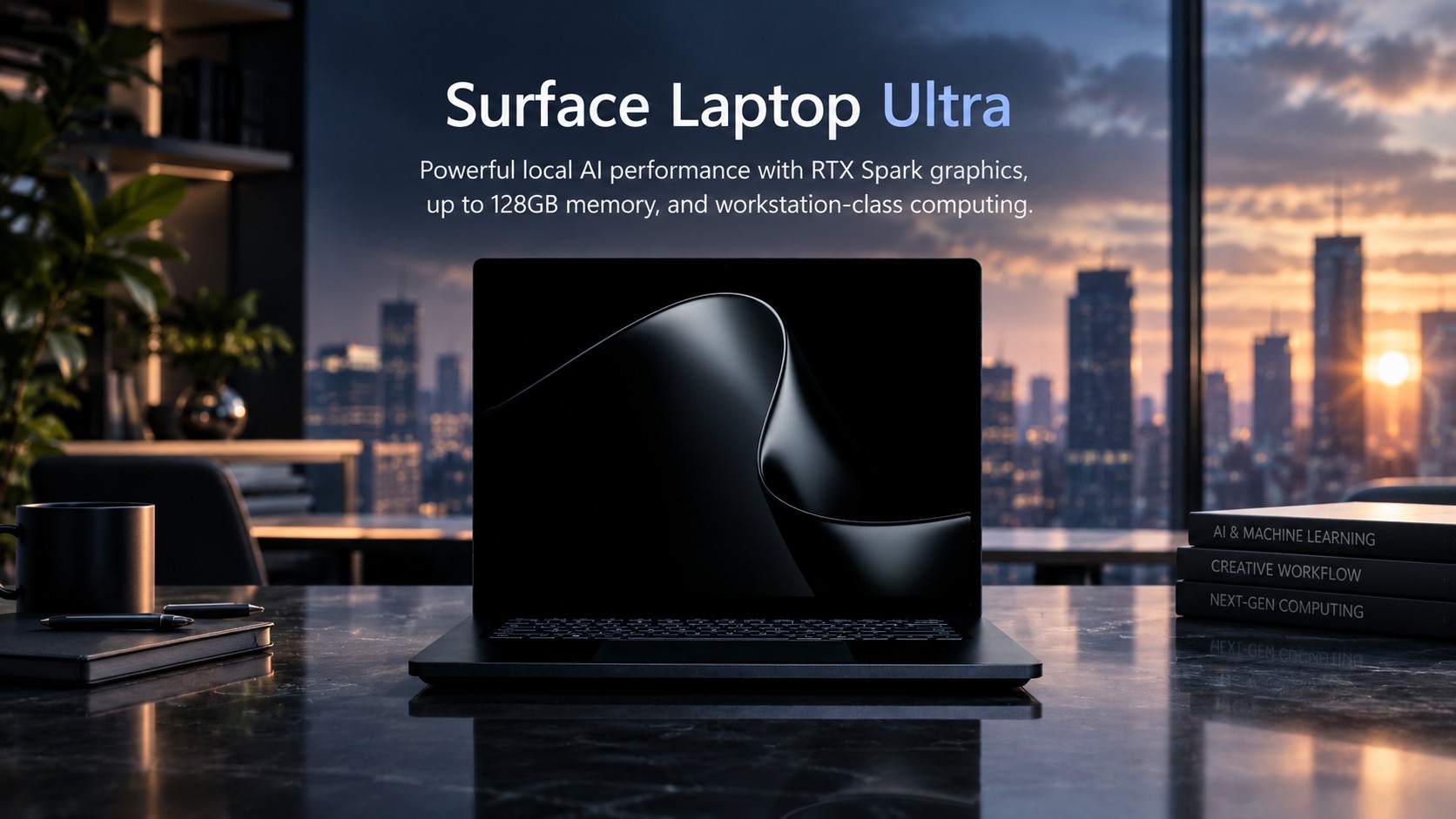
Similarly, AI enthusiasts lose a crucial local development tool. The 32GB frame buffer easily fits large language models. Conversely, a 24GB card severely limits serious local model training. The company now pushes expensive enterprise hardware for these tasks. They also heavily promote the RTX Spark AI PCs. Local hardware ownership remains highly desirable for professional content creators.
International Export Rules
International trade regulations severely impact global chip distribution channels. Namely, export restrictions prevent shipping advanced silicon to China. The government heavily monitors all Blackwell processors for compliance. Previously, the manufacturer designed specific regional gaming hardware variants. The canceled flagship originally included a modified regional model. Managing multiple regional gaming SKUs creates massive logistical headaches.
In contrast, enterprise clients easily navigate complicated compliance paperwork. Professionals fully understand the strict regulatory requirements for AI. Consequently, prioritizing commercial sales simplifies global hardware distribution significantly. This restrictive regulatory landscape quietly shapes the entire product stack. Gamers indirectly suffer from these sweeping international policy decisions. We await an official manufacturer statement regarding this complex situation.
🌐 Production Reality Factors
Why the Tech Giant Prioritizes EnterpriseThe Future of Upgrades
Builders must reconsider their upgrade cycles during this shortage. Otherwise, consumers face unprecedented costs for minor performance improvements. Many buyers will delay purchases until the next generation.
Experts predict no immediate relief for component pricing currently. The memory supply chain requires years to stabilize fully. Ultimately, enthusiasts must adapt to this expensive new reality.
Support Our Work
Help us keep creating and maintaining our projects. We appreciate your support!
Ways to contribute:
Shop via Affiliate LinksSupport us at no extra cost to you while you shop.
Support on Ko-fiBuy us a coffee to keep the engine running!





Leave a Reply