
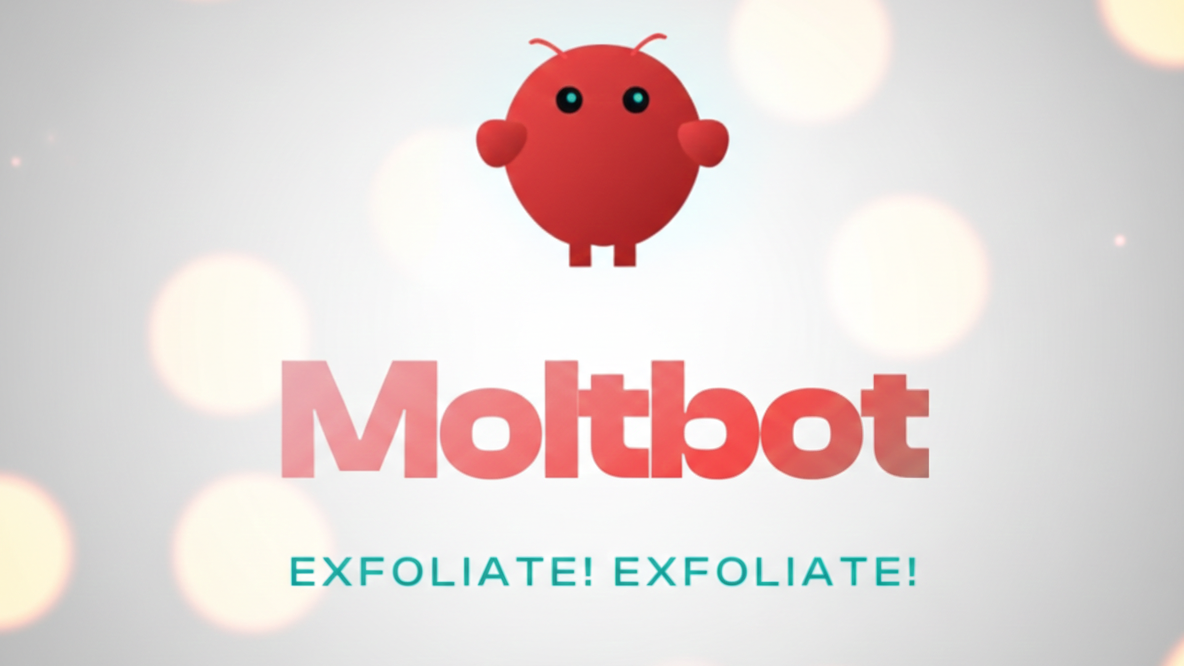
The tech world moves fast, but the rise of Moltbot feels like a genuine earthquake. Just hours ago, the project known as Clawdbot underwent a massive identity shift. This change was not merely for aesthetic reasons or a simple marketing whim. Anthropic issued a polite yet firm trademark request regarding the original name. Consequently, the developer team embraced a biological metaphor to explain the sudden transition. They compared software growth to how lobsters shed their old shells to expand. Thus, Moltbot was born, representing a “new shell” for the same powerful lobster soul.
This rebranding highlights a pivotal moment for the open-source community in early 2026. Many developers now view the name change as a sign of the project’s maturity. The transition occurred on January 27, 2026, marking a fresh start for the viral tool. Users must now look for the official repository under the new Moltbot handle. Despite the name change, the core mission of the project remains completely steadfast. It aims to build AI that actually performs tasks rather than just chatting.

Understanding the Proactive Power of Moltbot
What exactly makes this tool different from the chatbots we used in 2025? Most AI assistants wait passively for a user to type a specific command. In contrast, Moltbot is designed to be proactive and highly autonomous by nature. It can initiate conversations with you to provide updates or ask important questions. For instance, it might message you on WhatsApp to report a server error. Alternatively, it could send a morning briefing before you even wake up.
“Moltbot isn’t just another chatbot; it is a personal operating system for AI.”
This “proactive intelligence” is a significant leap forward for personal productivity tools. The system runs locally on your own hardware, such as a Mac Mini. By keeping the “gateway” local, it ensures that your sensitive data stays private. It connects to various LLM backends like Claude 4.5 or GPT-5 for processing. However, the orchestration and the actual “doing” happen right on your machine. This architecture allows the agent to access your files and local terminal.
The Architecture of a Digital Life Form
To function effectively, Moltbot utilizes a sophisticated multi-agent architecture for complex tasks. It consists of a central Gateway that communicates with various messaging services. Users can interact with their agent through Telegram, Discord, Slack, or iMessage. Moreover, the system supports a wide array of “skills” that extend its capabilities. These skills allow it to manage calendars, track expenses, and monitor GitHub repositories. Because it has persistent memory, it remembers your preferences across different sessions.
| Feature | Moltbot Capability |
| Deployment | Self-hosted on local hardware (Mac, Linux, Windows) |
| Messaging | WhatsApp, Telegram, Signal, iMessage, Slack |
| System Access | Full shell, file system, and browser control |
| Memory | Persistent context across all conversations |
| Proactivity | Can initiate messages and execute scheduled tasks |
The community has responded with overwhelming enthusiasm to this local-first approach. The GitHub repository recently surpassed a staggering 60,000 stars in record time. Many users are sharing creative ways they use the bot for daily automation. One developer uses it to catalog a wine cellar with over 900 bottles. Another uses it to monitor CI/CD pipelines and fix bugs while sleeping. For more technical details on the rebrand, check out Laravel News.
Security Risks in a “Spicy” New World
However, great power often comes with significant and sometimes “spicy” security risks. Security researchers recently discovered critical vulnerabilities in some early Moltbot installations. Specifically, some users left their ports exposed, allowing attackers to steal API keys. Because the bot has admin-level access, a breach could be truly catastrophic. Researcher Jamieson O’Reilly warned that exposed credentials were found on the web. The team has since released emergency fixes to address these authentication logic flaws.
Furthermore, the threat of prompt injection remains a major concern for autonomous agents. If Moltbot reads a malicious email, it could be tricked into executing commands. Users are urged to run their bots within secure environments like Docker. Using a Tailscale tunnel is also highly recommended for remote access. Safety must be a personal choice rather than just a platform decision. The creator, Peter Steinberger, often reminds users that no setup is perfectly secure.
Market Impact and the Future of AI
The viral success of Moltbot has even influenced the broader financial markets. Cloudflare’s stock saw a notable surge as users adopted their security tools. Investors are beginning to see the massive demand for local-first AI infrastructure. This trend signals a move away from the “walled gardens” of big tech. While Apple and Google sandbox their AI, Moltbot offers total root control. This freedom is thrilling for power users but requires a higher responsibility.
As we look toward the rest of 2026, the project continues to evolve. New updates are expected to bring even deeper integrations with smart homes. The developer community is also building a marketplace for shared AI skills. This “ClawdHub” will allow users to download pre-made automations for common tasks. Ultimately, Moltbot represents the first mainstream viral adoption of an open-source agent. It proves that people want an assistant that truly belongs to them.
How to Get Started with Moltbot
If you are ready to try it, the setup process is straightforward. You will need a machine running macOS, Linux, or Windows with WSL2. First, you should clone the repository from the new Moltbot GitHub. Then, run the onboarding wizard to connect your preferred messaging platform. Most users find that connecting via Telegram or WhatsApp provides the best experience. You will also need an API key from a provider like Anthropic.
- Step 1: Ensure you have Python 3.11 or higher installed locally.
- Step 2: Clone the repository and install the necessary dependencies.
- Step 3: Run the
moltbot onboardcommand to start the wizard. - Step 4: Link your chat application by scanning a QR code.
- Step 5: Start delegating tasks to your new digital teammate immediately.
For a comprehensive setup guide, visit the DigitalOcean Tutorial. The community on Discord is also very active and helpful for beginners. Many experts suggest starting with simple tasks like weather reports or reminders. As you gain confidence, you can explore more complex shell command automations. Just remember to keep your software updated to the latest secure version.
The Philosophy of Growth and Molting
The name Moltbot perfectly encapsulates the philosophy of the modern AI developer. Innovation often requires discarding old ideas to make room for superior ones. By renaming the project, the team showed they can adapt under pressure. This resilience is exactly what users look for in a long-term tool. The AI landscape is shifting from simple chat to active agency. Moltbot is leading that charge by giving the AI “hands” to work.
In conclusion, this project is more than just a viral trend on X. It is a glimpse into a future where everyone has a private Jarvis. Whether you call it a “digital life form” or a tool matters little. The important thing is how it changes your relationship with technology. We are moving toward a world of proactive, local, and autonomous assistance. To learn more about the security implications, read the 1Password Blog.





Leave a Reply