
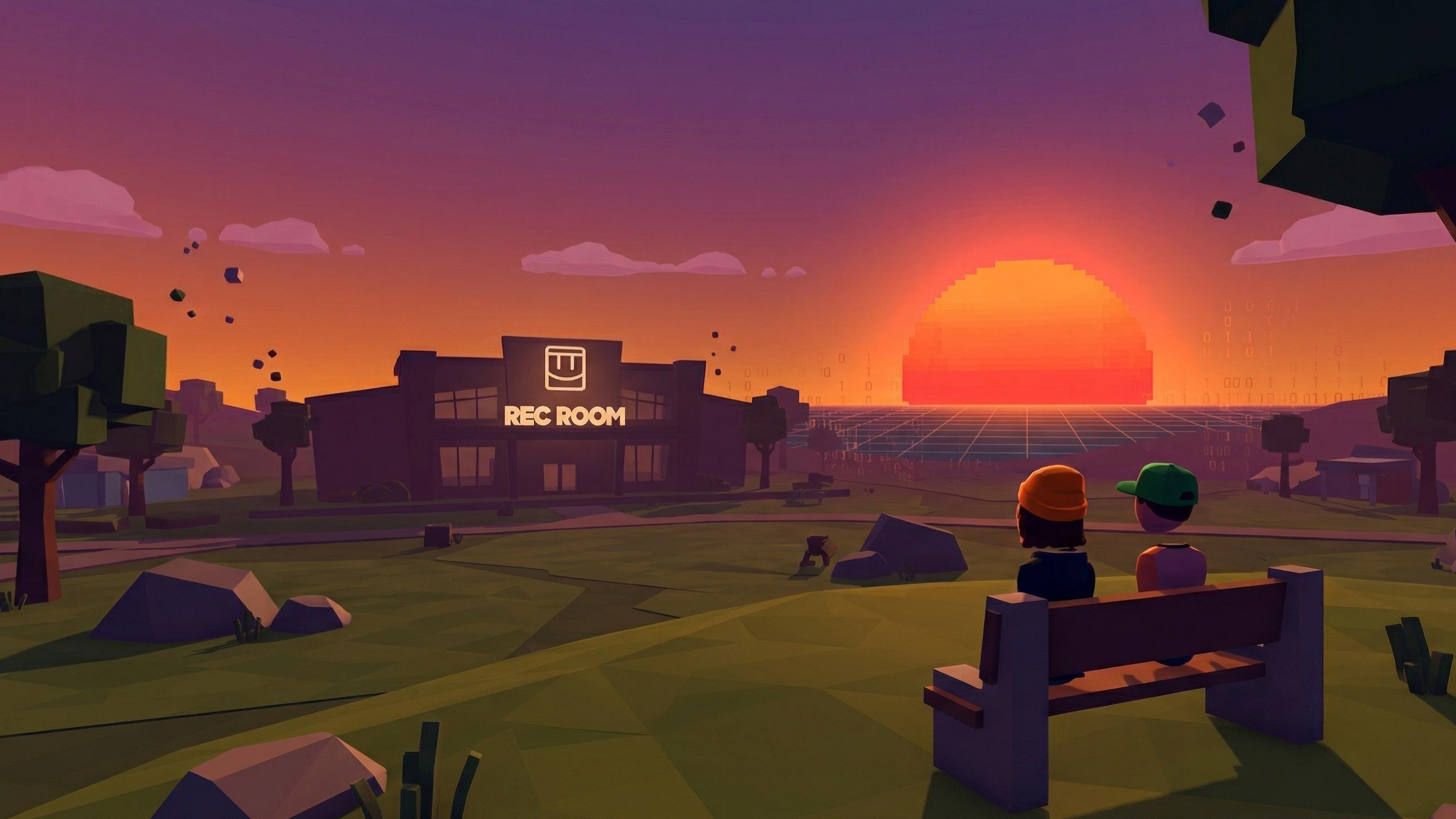
The social gaming world stopped spinning yesterday. Specifically, the team at Rec Room announced a total shutdown. This news arrived like a lightning bolt on March 30, 2026. Consequently, millions of players are currently mourning their digital homes. Rec Room was once the king of social VR. However, the platform will officially vanish on June 1, 2026. This marks the end of a ten-year journey for the Seattle-based company.

Initially, the platform began as a simple VR hangout space. Since then, it grew into a massive cross-platform universe. Notably, over 150 million users registered for the service over a decade. Yet, the developers now claim the business model is unsustainable. Therefore, they made the difficult choice to pull the plug this spring. Users are now rushing to save their favorite memories before the end.
Understanding the Shutdown Timeline
Firstly, the company immediately blocked new account creations yesterday. Furthermore, users can no longer send friend requests or buy subscriptions. In addition, the popular Rec Room Plus membership is effectively frozen. Current members will receive an extension until the final day. Meanwhile, the clock is ticking for the creator community specifically.
Subsequently, token purchases will officially cease on May 1, 2026. Following this, creator earnings will stop entirely on May 18. Finally, the platform goes dark at noon Pacific Time on June 1. Users will lose access to all rooms and items then. Similarly, the rec.net website will disappear from the internet forever. This phased approach aims to manage the inevitable chaos of the closure.
Why the Metaverse Giant is Falling
Many industry experts are now asking why this happened. Primarily, the high costs of maintaining servers became too heavy. Although the platform had many users, profit remained elusive. For example, most players never spent a single dime in the game. Consequently, the company struggled to pay for its massive infrastructure.
Moreover, the VR market shifted significantly over the last two years. While interest spiked during the pandemic, it eventually leveled off. Indeed, competitors like Roblox and Horizon Worlds dominated the younger demographic. Thus, Rec Room found itself squeezed between rising costs and falling engagement. Ultimately, the leadership decided they could no longer justify the investment.
The Heartbeat of the Rec Community
The “Rec Com” is much more than just a group of gamers. Specifically, it represents a global network of artists and builders. For years, these creators built thousands of unique virtual worlds. Now, they face the loss of their digital life’s work. Many players met their best friends inside these virtual halls. Therefore, the emotional impact of the news is truly profound.
Additionally, the community is organizing “farewell” events in every time zone. In fact, some rooms are already reaching maximum capacity. Players are taking screenshots of their favorite avatars and hangout spots. Similarly, they are exchanging contact info to stay in touch elsewhere. However, no other platform offers the same creative tools as Rec Room. This makes the transition exceptionally difficult for long-time veterans.
The Creator Crisis and Economic Fallout
For many, Rec Room was a legitimate source of income. Specifically, the Partnered Creator program allowed users to earn real money. Indeed, top builders made thousands of dollars every single month. Now, that revenue stream will vanish in less than eight weeks. Consequently, many digital entrepreneurs are suddenly without a job.
Furthermore, the company is halting all new monetized content immediately. Creators can no longer submit new items to the store. Instead, they must focus on cashing out their remaining tokens. This sudden halt has left many projects unfinished and abandoned. Moreover, the technical skills learned here might not transfer easily. Thus, the economic ripple effect is hitting the community very hard.
A Look Back: Ten Years of Innovation
Rec Room launched in 2016 during the first VR wave. At that time, it was a simple collection of mini-games. For instance, Paintball and Quest became instant classics for early adopters. Over time, the developers added more complex building tools. Consequently, the platform transformed into a powerhouse for user-generated content.
Notably, the “Rec Room Studio” allowed for professional-grade game design. Many talented developers used this to launch their own careers. Similarly, the cross-play feature between mobile and VR was revolutionary. It allowed friends to play together regardless of their hardware. Therefore, the legacy of the platform is one of deep technical innovation. We must recognize the impact it had on social gaming history.
The Bursting of the Social VR Bubble
Analysts often pointed to Rec Room as a metaverse success. However, this shutdown suggests a much bleaker reality for VR. Specifically, the “metaverse” hype of 2021 has largely faded away. Many companies invested billions into worlds that people rarely visit. Consequently, the industry is seeing a massive wave of consolidation.
Furthermore, the cost of high-end VR hardware remains quite steep. While mobile gaming is cheap, it lacks the immersion of VR. Thus, platforms like Rec Room struggled to maintain a consistent audience. Moreover, advertising revenue in virtual spaces never quite took off. Ultimately, the market demand did not meet the developer’s expectations.
Technical Triumphs and Unmatched Tools of Rec Room
Rec Room’s building system was arguably the best in its class. Specifically, the “Maker Pen” allowed for real-time collaborative construction. Users could build entire games while standing next to each other. In addition, the Circuits V2 system offered powerful logic for creators. This allowed for complex gameplay mechanics within simple rooms.
Consequently, the platform became a training ground for aspiring programmers. Many young students learned the basics of logic inside Rec Room. Similarly, the physics engine handled multiplayer interactions with surprising grace. However, keeping these complex systems running across many devices was difficult. Thus, the very complexity that made it great also caused issues.
Where Will the Rec Room Players Go Next?
The “Rec Com” is now looking for a new home. Naturally, many are eyeing Roblox as a potential alternative. However, the building style in Roblox is vastly different. Furthermore, some users are moving toward VRChat for social interaction. While VRChat is popular, it lacks the built-in game systems. Consequently, there is no perfect replacement for what was lost.
Additionally, Meta’s Horizon Worlds is trying to attract these displaced users. In fact, they recently updated their creator tools to compete. Yet, many Rec Room veterans feel a strong loyalty to their original brand. Thus, the community might fragment into many smaller, less connected groups. Ultimately, this displacement marks a sad chapter for digital social circles.
The Final Payout and Token Logistics
Managing the transition of virtual currency is a nightmare. Specifically, Rec Room has a massive internal economy to settle. Therefore, they have established strict rules for the final weeks. For example, all three-month and annual subscribers will get refunds. Similarly, creators have until June 1 to process their final payouts.
However, users cannot transfer their tokens to other games or platforms. This means millions of virtual coins will simply expire. Consequently, many players are spending their balances on rare avatar items. They want to look their best during the final server countdown. Meanwhile, the support team is working overtime to handle refund requests.
A Scientific View of Virtual Displacement
Psychologists are now studying the impact of this platform closure. Specifically, they call this phenomenon “virtual displacement” or “digital grief.” For many, losing a virtual space feels like losing a physical one. Indeed, research shows that digital friendships are psychologically real and valid. Consequently, the shutdown is causing genuine emotional distress for thousands.
Moreover, the loss of creative archives is a blow to digital history. Many unique art pieces will disappear without any physical record. Thus, some groups are trying to archive rooms using video captures. They hope to preserve the “Rec Com” legacy for future generations. Ultimately, this highlights the fragility of our current digital existence.
The Future of User-Generated Content
Despite this failure, the UGC model is not dead yet. Specifically, other platforms are learning from Rec Room’s mistakes. For instance, they are focusing more on diverse monetization strategies. Furthermore, they are trying to lower the barrier to entry for creators. Consequently, the next generation of social games might be more stable.
However, the “Rec Room” era proved that community is more important than graphics. Players stayed because of the people, not the textures. Thus, future developers must prioritize social safety and connection tools. Similarly, they need to find a balance between profit and accessibility. If they fail, they will face the same fate as this giant.
Lessons for the Tech Industry
The tech world can learn much from the fall of Rec Room. Primarily, growth in users does not guarantee financial survival. Even with 150 million accounts, the company could not find profit. Furthermore, relying on a single platform for your business is dangerous. This applies to both the developers and the independent creators.
Additionally, the pivot to mobile may have diluted the brand’s identity. While it increased users, it changed the core community feel. Consequently, some old-school VR fans felt left behind by the changes. Thus, maintaining a clear vision is vital for long-term success. Moreover, companies must be more transparent about their financial health.
Preserving the Legacy of Rec Room
Museums and digital archivists are now scrambling to save data. Specifically, the “Rec Room Historical Society” is a player-led initiative. They are cataloging the most influential rooms and creator bios. Furthermore, they are interviewing the original developers about the early days. Consequently, some part of this world may live on in textbooks.
Notably, the company is allowing some offline access to rooms. Specifically, Rec Room Studio users can view their cached projects locally. However, they can no longer host these rooms for other players. This “read-only” mode is a small comfort for devastated builders. Similarly, players are making high-quality videos of their favorite hangouts.
The Role of Artificial Intelligence in Gaming
Some believe AI could have saved the platform’s economics. For example, AI-generated content might have reduced development costs. Furthermore, AI moderation could have handled the massive user base more cheaply. However, Rec Room preferred a human-centric approach to community management. Consequently, their overhead costs remained significantly higher than competitors.
Instead, the company focused on building tools for human creators. This made the platform feel more authentic and personal. Yet, in the modern market, authenticity can be expensive to maintain. Thus, we see a shift toward more automated social platforms. Ultimately, the human touch of “Rec Com” may become a thing of the past.
The Final Countdown of Rec Room: What to Expect
As June 1 approaches, expect a surge in platform activity. Specifically, the servers will likely experience significant lag and crashes. Furthermore, the “Last Day” party is expected to break concurrency records. Players from all over the world will gather for one last hug. Consequently, the developers are trying to strengthen the infrastructure temporarily.
Meanwhile, social media is flooded with the hashtag #RecRoomForever. Thousands of stories are being shared about life-changing moments in game. In fact, some people even met their spouses in the Rec Center. Similarly, others found a sense of belonging they lacked in real life. These stories prove that Rec Room was more than just software.
The Economic Reality of Digital Real Estate
Virtual land and items have no value if the servers stop. Specifically, this shutdown is a wake-up call for digital investors. Many people spent thousands on rare “Rec Room” skins and items. Now, those investments are worth exactly zero dollars. Consequently, the market for digital collectibles is seeing a sharp decline.
Furthermore, this highlights the risk of “centralized” metaverses. If one company fails, the entire world and economy vanish. Instead, some are now advocating for decentralized, blockchain-based worlds. However, those platforms often lack the polish of Rec Room. Thus, the industry faces a difficult choice between stability and control.
A Message to the Rec Room Veterans
If you are a member of the “Rec Com,” you are not alone. Specifically, many online groups are forming to support displaced players. Therefore, reach out to your friends on Discord or other apps. Do not wait until the final day to save your photos. Instead, start archiving your favorite memories right now.
Furthermore, remember that the skills you learned are still yours. If you built rooms, you are still a designer. If you coded circuits, you are still a programmer. Consequently, your creativity will find a new outlet in time. Ultimately, the platform is dying, but the community can live on.
Final Thoughts on a Digital Era
The end of Rec Room is a tragedy for the internet. Specifically, it represents the loss of a safe, creative playground. For ten years, it was a beacon of positivity in gaming. However, the harsh realities of business have finally caught up. Therefore, we must cherish the time we have left in this world.
In addition, let this be a lesson about the digital age. Nothing online is permanent, no matter how large it seems. Consequently, we must find ways to preserve our digital culture. Similarly, we must support the creators who make these worlds possible. As the sun sets on June 1, we say goodbye to a friend.
Resources for the Displaced Rec Room Community
If you need help moving your assets, visit the official blog. Specifically, check the FAQ section for refund and export instructions. Furthermore, look for the “Migration Guide” created by the community. This document lists similar platforms and how to join them. Consequently, you can find a new home before the final shutdown.
Notably, many discord servers are dedicated to specific Rec Room sub-cultures. For example, the “Paintball League” is already moving to a new game. Similarly, the “Questing Community” is looking at cooperative VR alternatives. Thus, the spirit of the game will continue in different forms. Ultimately, the bonds formed in “Rec Com” are the true legacy.
The End of the Road for Gribbly and Team
The founders, including “Gribbly,” have expressed their deep sadness online. Specifically, they thanked the players for a decade of love. They described the platform as an “explosion of creativity.” However, they also admitted that they ran out of options. Consequently, the team is now focused on a “graceful” exit.
In fact, some developers are already being recruited by other firms. Their experience in social VR is still highly valuable today. Similarly, the innovations they pioneered will likely appear in other products. Thus, the DNA of Rec Room will survive in future games. Ultimately, we thank them for building a world we loved.
Summary of Key Dates for Users of Rec Room
To conclude, please keep these critical deadlines in mind today. Firstly, account creation and friend requests are now disabled. Subsequently, you must cancel any recurring payments by May 1. Furthermore, all creator tokens must be earned by May 18. Finally, the total blackout occurs on June 1 at noon.
Consequently, you have approximately eight weeks left to say goodbye. Use this time wisely to document your virtual life. Similarly, make sure to thank the builders who inspired you. Although the “Rec Com” is losing its home, the memories remain. Therefore, let’s make the final weeks the best they can be.
Rec Room was a pioneer of the social VR space. Specifically, it proved that people want to create together. Now, the industry must figure out how to make that sustainable. Until then, we will miss the sounds of the Rec Center. Ultimately, the digital sunset has arrived for this beloved community. goodbye, Rec Room.






Leave a Reply