
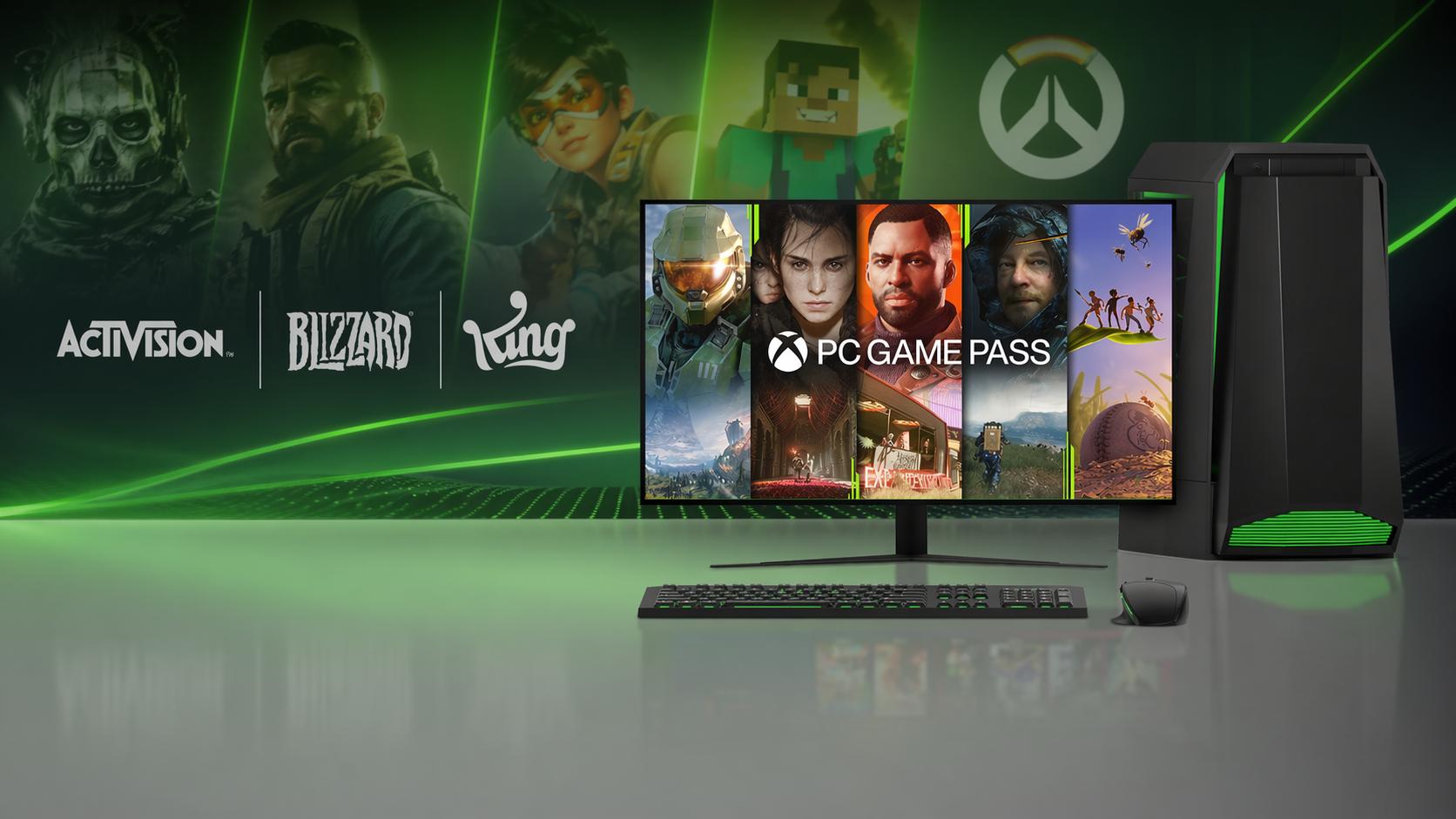
Microsoft Gaming is currently navigating a period of unprecedented change within its core business model and strategy. The company no longer measures success solely by the number of consoles sold in stores. Instead, leadership prioritizes the total number of active players across multiple devices and platforms. This marks a significant departure from the traditional console war mentality of previous decades.

Moreover, the brand is expanding its footprint far beyond the living room. Consequently, the Xbox ecosystem now reaches PCs, mobile devices, and even competing gaming consoles. This transformation reflects a broader industry trend toward service-based gaming and universal accessibility. Therefore, the company is positioning itself as a platform-agnostic provider of high-quality digital entertainment.
Additionally, the leadership team continues to refine this vision through aggressive software distribution. Phil Spencer frequently highlights the importance of reaching players where they already spend their time. Furthermore, the integration of massive content libraries remains a central pillar of this ongoing evolution. The brand is truly becoming a global powerhouse in the interactive media landscape.
Integrating the Activision Blizzard King Portfolio
Microsoft recently finalized its massive acquisition of Activision Blizzard King after a complex legal process. This sixty-nine billion dollar deal brought iconic franchises like Call of Duty into the internal portfolio. Consequently, the company now possesses some of the most valuable intellectual properties in history. Managing these diverse teams requires a delicate balance of creative freedom and corporate oversight.
Meanwhile, the integration process has already yielded significant results for subscribers and fans. For instance, several classic titles from the Activision library joined the Game Pass service recently. This move added immediate value to the subscription for millions of active members. Furthermore, the addition of King brings a massive presence in the lucrative mobile gaming market.
However, the acquisition also brought significant scrutiny from various international regulatory bodies. Therefore, Microsoft had to make several concessions to ensure the deal received final approval. These agreements include long-term commitments to keep major titles on rival platforms like PlayStation. Consequently, the company is proving its willingness to cooperate with competitors for broader market stability.
The Shift Toward a Multi-platform Strategy
One of the most discussed developments involves bringing first-party titles to rival hardware. Microsoft recently released several formerly exclusive games on the PlayStation 5 and Nintendo Switch. Specifically, titles like Sea of Thieves and Grounded found massive new audiences on these competing systems. This strategy aims to maximize the commercial potential of every internal project.
Furthermore, internal reports suggest that more titles may follow this multi-platform path soon. Consequently, the internal initiative often referred to as “Project Latitude” continues to gain momentum. This approach allows the company to offset the rising costs of modern game development. Meanwhile, fans are beginning to see the Xbox brand as a software-focused entity.
However, some core fans expressed concerns about the perceived loss of hardware exclusivity. Therefore, Sarah Bond and other executives have worked to reassure the community about hardware’s future. They emphasize that the Xbox console remains the premier destination for the best possible experience. Consequently, the multi-platform push serves as a supplement rather than a complete replacement for hardware.
Understanding the New Xbox Game Pass Tiers
The subscription model remains the heartbeat of the Microsoft Gaming business strategy today. Recently, the company introduced several major changes to the Xbox Game Pass tier structure. These updates include the introduction of a new “Standard” tier for console players. This tier provides access to a large library but excludes day-one releases.
| Tier Name | Key Features | Primary Benefit |
| Game Pass Ultimate | Day-one titles, Cloud, PC | Complete ecosystem access |
| Game Pass PC | Desktop library, EA Play | Optimized for PC gamers |
| Game Pass Standard | Back catalog, Multiplayer | Affordable console entry |
| Game Pass Core | Online play, Select games | Basic connectivity |
Consequently, Game Pass Ultimate remains the only way to access new games on launch day. This distinction helps the company manage the high costs of placing blockbuster titles in a subscription. Moreover, the price for the Ultimate tier saw a slight increase in various global markets. Therefore, consumers must now evaluate which tier best fits their specific gaming habits and budget.
Additionally, the company is focusing heavily on the value of the “Ultimate” experience. This includes perks like cloud gaming and integrated EA Play memberships for all active subscribers. Furthermore, the service continues to grow its total subscriber count across all supported devices. The model continues to challenge the traditional retail-driven sales cycle of the industry.
Call of Duty and the Game Pass Impact
The arrival of Call of Duty: Black Ops 6 marked a historic moment for the service. For the first time, a new entry in this massive franchise launched on Game Pass. Consequently, the game saw record-breaking engagement numbers during its initial release window. This move demonstrated the massive drawing power of high-profile franchises within a subscription.
Meanwhile, the company uses this franchise to drive growth in the PC and cloud segments. Many players chose to experience the latest title through a monthly subscription instead of a purchase. Therefore, the traditional sales data for the game may look different than previous entries. However, the total player count reached unprecedented heights across the entire ecosystem.
Furthermore, this strategy forces competitors to reconsider their own subscription offerings and value propositions. Consequently, Microsoft is successfully using its massive library to dictate the pace of the market. The long-term impact of this decision on retail sales remains a topic of analysis. Nevertheless, the immediate boost to subscriber engagement is undeniable and highly significant.
Navigating Studio Management and Industry Layoffs
Despite the growth in revenue, the company faced difficult decisions regarding its internal studios. Microsoft recently closed several notable development houses, including the award-winning Tango Gameworks. This decision shocked many fans and industry analysts who praised the studio’s recent work. Consequently, the move sparked intense discussions about the stability of the modern gaming industry.
Additionally, Arkane Austin also shut its doors as part of a broader corporate restructuring. These closures followed a significant round of layoffs that affected thousands of employees globally. Therefore, the company is clearly prioritizing efficiency and high-impact projects over smaller, experimental titles. Meanwhile, leadership maintains that these changes are necessary for long-term sustainable growth.
However, the consolidation of resources allows the company to focus on its most successful franchises. Consequently, teams like Bethesda and Obsidian are receiving more support for their upcoming major releases. This strategy aims to ensure that every major launch meets high quality standards. Furthermore, the company continues to hire for critical roles in its most vital development departments.
The Future of Xbox Hardware and Handhelds
Rumors regarding a dedicated Xbox handheld device continue to circulate within the gaming community. Phil Spencer has publicly expressed his personal interest in the handheld gaming market. Consequently, many experts believe that a portable Xbox console is currently in development. This device would allow players to take their digital libraries anywhere they go.
Meanwhile, the company is already working on the next generation of home console hardware. Sarah Bond recently teased a massive technological leap for the next Xbox system. Therefore, the brand is not abandoning its commitment to high-end dedicated gaming hardware. Furthermore, the goal is to provide the most powerful gaming experience on the market.
However, the hardware strategy must now account for the rise of cloud-based gaming services. Consequently, future devices will likely feature deep integration with the Xbox Cloud Gaming platform. This will allow for seamless transitions between local play and remote streaming. Additionally, the company wants to ensure that hardware remains an accessible entry point for everyone.
Building the Xbox Mobile Store Ecosystem
Microsoft is preparing to launch its own web-based mobile store to compete with major incumbents. This store will offer games and content directly to users on mobile devices. Consequently, the company aims to bypass the restrictive fees found on traditional mobile platforms. This initiative relies heavily on the massive library provided by the King acquisition.
Furthermore, the store will focus on providing a cross-platform experience for mobile gamers. This means that progress and purchases can carry over between different devices and systems. Meanwhile, the company is taking advantage of new digital market regulations in various regions. Therefore, the mobile store represents a significant new revenue stream for the gaming division.
However, building a successful mobile storefront requires overcoming significant consumer habits and technical hurdles. Consequently, the company is starting with a web-based approach to ensure maximum compatibility. This strategy allows them to reach players without waiting for approval from competing platform holders. Additionally, the store will eventually host third-party titles from various partner developers.
Cloud Gaming as a Pillar of Microsoft Gaming Global Expansion
Cloud gaming technology allows Microsoft to reach players who do not own a console. This service is particularly important in emerging markets where hardware costs are often prohibitive. Consequently, the company is investing heavily in data centers and streaming infrastructure worldwide. This ensures a low-latency experience for players on browsers, TVs, and mobile phones.
Moreover, partnerships with television manufacturers have brought the Xbox app to millions of smart screens. Therefore, users can play high-end games with only a controller and a subscription. This lowers the barrier to entry for casual players and new audiences. Furthermore, the cloud service continues to receive regular updates to improve visual fidelity.
Meanwhile, the company is exploring new ways to monetize cloud-based gaming experiences. This includes potential ad-supported tiers or individual game purchases for streaming. Consequently, the cloud is becoming a versatile tool for expanding the brand’s total reach. Additionally, the technology enables unique features like instant game trials for all subscribers.
Microsoft Gaming: Leadership and the Vision for the Next Decade
The leadership team at Microsoft Gaming has seen several key promotions recently. Sarah Bond now serves as the President of Xbox, overseeing all hardware and software. Consequently, her influence on the brand’s direction is more significant than ever before. She emphasizes a culture of innovation and inclusivity within the global organization.
Meanwhile, Matt Booty oversees the vast network of first-party development studios across the globe. His focus remains on delivering a consistent pipeline of high-quality content for Game Pass. Therefore, the company is working to avoid long gaps between major title releases. Furthermore, the integration of Bethesda and Activision teams remains a core part of his mission.
However, the ultimate vision remains the ability to play any game on any device. Consequently, the company is breaking down the walls that previously defined the gaming industry. This “Xbox Everywhere” strategy is a bold bet on the future of digital media. Additionally, the company continues to align its gaming goals with the broader Microsoft corporate mission.
Financial Performance and Investor Expectations of Microsoft Gaming
Microsoft’s gaming division now contributes a significant portion of the total corporate revenue. The inclusion of Activision Blizzard has boosted the department’s financial standing considerably. Consequently, investors are paying closer than ever to the performance of the gaming segment. The company recently reported record-breaking quarterly revenue for its gaming business unit.
Furthermore, the focus on recurring subscription revenue provides a more predictable financial outlook. Therefore, the company is less dependent on the volatile “hit-driven” nature of traditional game sales. Meanwhile, the margins on digital content and services continue to improve over time. This financial stability allows for continued investment in ambitious new technologies and projects.
However, the high cost of the ABK acquisition means that profitability remains a key metric. Consequently, the leadership team must balance aggressive growth with fiscal responsibility and cost management. This explains some of the recent restructuring efforts seen across the various studios. Additionally, the company is optimistic about the long-term returns on its massive gaming investments.
Conclusion on the New Strategy of Microsoft Gaming
Microsoft Gaming is successfully redefining what it means to be a modern gaming brand. The company is moving away from the limitations of a single hardware box. Instead, it is building a comprehensive platform that lives in the cloud and on every screen. Consequently, the brand is more accessible to a global audience than at any other time.
Moreover, the massive library of content ensures that there is something for every type of player. Therefore, the ecosystem continues to attract millions of new users every single month. Furthermore, the focus on community and player choice remains a guiding principle for the future. The company is clearly prepared for the challenges of the next decade.
Meanwhile, the industry will continue to watch how this multi-platform strategy unfolds over time. Consequently, Microsoft is setting a new standard for how major publishers operate in a connected world. The journey from a console manufacturer to a global service provider is nearly complete. Additionally, the future of the brand looks brighter and more expansive than ever.



Leave a Reply