
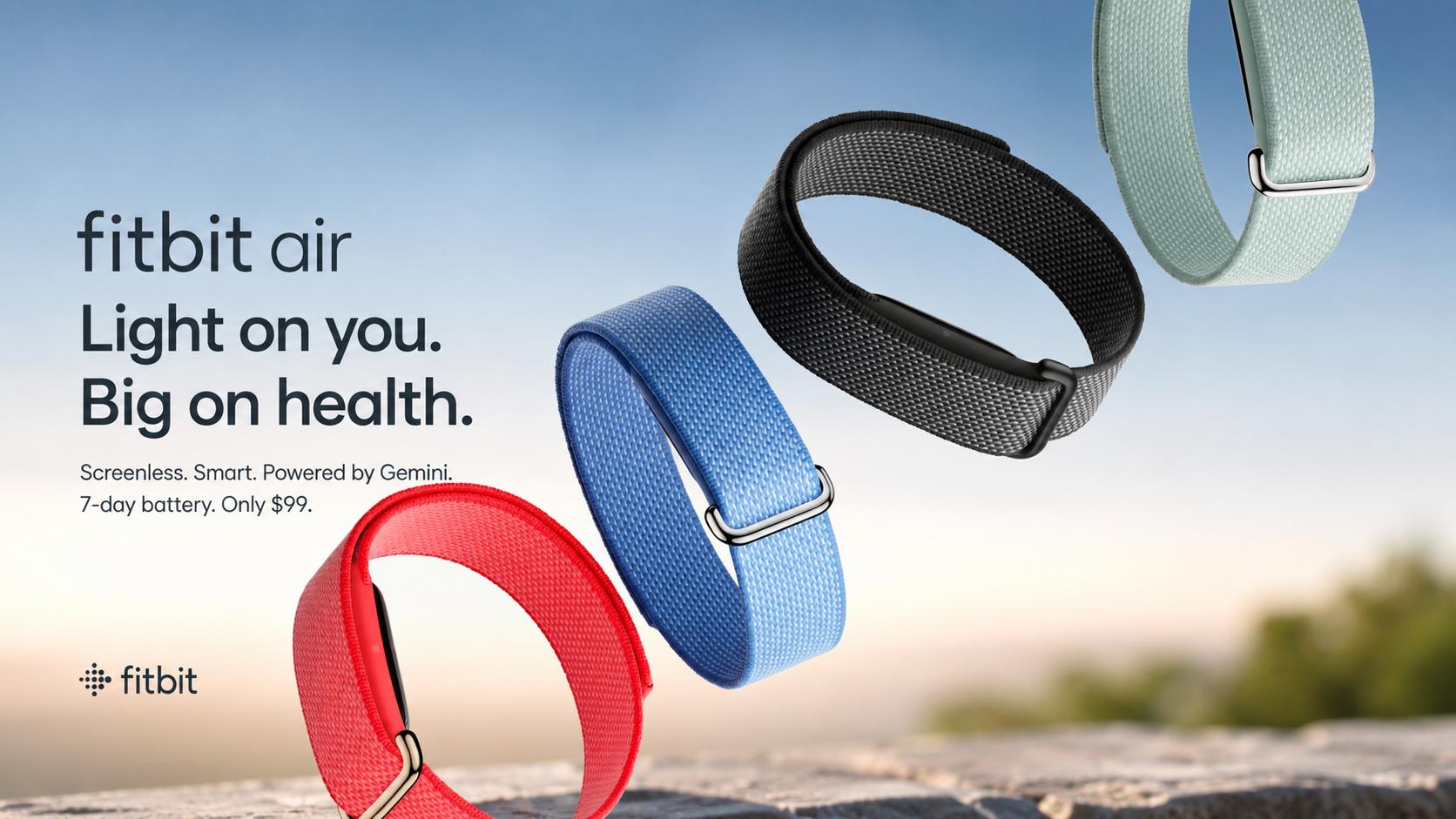
Google officially announced the new Fitbit Air on May 7, 2026. This screenless wearable marks a pivot toward passive wellness tracking. It prioritizes long-term health trends over the distractions of digital displays. However, the device still offers high-end biometric data for enthusiasts. Therefore, users can monitor their vitals without feeling overwhelmed by tech.

This launch signals a broader change for the entire company. Specifically, Google is moving toward an AI-centered health ecosystem. Meanwhile, the classic application is undergoing a massive rebranding. It will soon become known as Google Health. The Fitbit Air serves as a “Trojan horse” strategy. This approach aims to bring AI services to more users.
Eventually, the goal is to own the health interpretation layer. Google wants to simplify how we view our daily metrics. Consequently, the hardware is getting smaller and much less intrusive. This back-to-basics move echoes the earliest fitness tracking devices. It focuses on data collection rather than smartphone notifications.
Design and Comfort of Fitbit Air
The tracker features a tiny, pebble-shaped pod design. It weighs only twelve grams when strapped into its band. Furthermore, its small dimensions make it the lightest Fitbit yet. Specifically, the device measures about thirty-five by seventeen millimeters. This compact profile allows for comfortable wear during sleep.
Users can also easily swap between several different band styles. The pod simply pops out and snaps into place. Interestingly, the material choices range from silicone to stylish metal. Therefore, the tracker matches a workout or a formal dinner. It lacks a screen to keep the design sleek.
The omission of a display removes all digital noise. So, you will not find any distracting alerts on your wrist. Instead, all your stats live inside the mobile app. Therefore, the device fades into the background of your life. It is a proactive wellness partner that stays quiet.
Rebranding the Google Health Ecosystem
The mobile application is undergoing a significant visual overhaul. Starting May 19, it rebrands officially to Google Health. Moreover, the update will roll out automatically to users. No manual installation is required for this transition. Historical data and milestones will migrate over seamlessly.
The new interface also introduces a clean four-tab navigation layout. These tabs include Today, Fitness, Sleep, and Health. Specifically, the Today tab serves as your primary hub. It shows proactive insights generated by the new AI. Meanwhile, the Fitness tab houses your personalized weekly plans.
This rebranding unifies Google’s diverse health and wellness services. It brings together hardware, software, and advanced AI models. Therefore, users get a more holistic view of health. Google Fit users will also join this platform later. The ecosystem is becoming a centralized destination for wellness.
Technical Innovations in Fitbit Air
Under the shell, this tracker packs very advanced sensors. It includes an optical heart rate monitor for monitoring. Additionally, red and infrared sensors measure blood oxygen levels. These components provide a deep look at your vitals. The heart rate sensor saves data at two-second intervals.
The device also features a dedicated skin temperature sensor. This tracks fluctuations in your body heat while sleeping. Furthermore, a three-axis accelerometer and gyroscope track movement. Specifically, the motion sensors sample at one hundred Hertz. This frequency ensures high precision for all your activities.
Notably, the tracker features FDA-certified background AFib detection. It watches for irregular heart rhythms during the day. However, it lacks a manual ECG or EDA scan. These missing features help keep the price point low. It balances medical-grade monitoring with simple consumer hardware.
AI Coaching with Gemini Models
The most significant software addition is the Health Coach. This AI assistant uses Google’s powerful Gemini models. Interestingly, it turns raw data into actionable fitness plans. It moves beyond generic tips to offer personalized guidance. The coach is available twenty-four-seven via the app.
Users can converse with the AI to adjust goals. You can tell the coach about a sore knee. Consequently, it will adjust your workout to be safer. Furthermore, the AI can even parse photos of meals. It estimates calories and macros from a simple snapshot.
The coach also understands environmental context for your workouts. It checks your local weather and location data daily. Therefore, it might suggest indoor cardio on rainy days. This level of reasoning makes the coaching feel human. It acts as an expert trainer in your pocket.
Integration of Personal Medical Records
A major update involves syncing with actual medical records. U.S. users can now link their clinical health data. Specifically, Google partnered with b.well and CLEAR for this. You can search for your doctor or health system. Then, your lab results and medications appear in app.
The Gemini AI can summarize these complex medical documents. It explains lab reports in a very simple way. Accordingly, patients gain a better understanding of their health. You can even share summaries with your medical provider. This feature bridges the gap between tracking and care.
Interoperability is a primary focus of this new strategy. Google is working with athenahealth and CMS as well. Specifically, they use QR codes to share health records. Therefore, you can skip the paperwork at the clinic. This makes managing your medical history much more efficient.
Comparison Between Fitbit Air and Whoop
The tracker is a direct challenger to the Whoop. Both devices emphasize a minimalist, screenless hardware philosophy. However, the Fitbit model includes a daily step counter. Whoop famously omits this metric from its software experience. Fitbit also offers a much lower entry price.
| Feature | Fitbit Air | Whoop 5.0 |
| Hardware Price | $99.99 | Included |
| Annual Sub | $99.99 (Optional) | $199 – $359 |
| Step Counter | Yes | No |
| Battery Life | 7 Days | 14+ Days |
| AI Model | Gemini | OpenAI |
| Water Rating | 50 Meters | 10 Meters |
Whoop captures data at a higher frequency for athletes. It records heart rate twenty-six times every single second. Meanwhile, the Fitbit focuses on general fitness and wellness. It provides better value for the average gym-goer today. Subsequently, the choice depends on your specific athletic depth.
Fitbit users can swap their bands much more affordably. Official accessory bands start at only thirty-five dollars. Whoop bands typically cost fifty dollars or even more. Therefore, the total cost of ownership is much lower. Fitbit remains the clear winner for the budget-conscious.
The Stephen Curry Special Edition Fitbit Air
NBA star Stephen Curry co-designed a special edition model. This version costs one hundred and thirty dollars total. Specifically, it features an elegant rye brown Performance Loop. It includes a pop of game-day orange color. The band has a unique raised interior print design.
This specialized band is engineered for high-intensity basketball movement. It features a water-resistant coating to handle heavy sweat. Moreover, the interior print helps to increase airflow significantly. Therefore, the tracker stays comfortable during your toughest workouts. It blends legendary style with elite athletic performance needs.
Curry also collaborated with Google on the AI logic. He helped ground the coach in professional training principles. Consequently, the Gemini advice feels like it comes from pros. The Special Edition hits store shelves on May 26. It serves as the flagship for the launch campaign.
Precision in Sleep and Recovery
The tracker excels at monitoring your nightly rest quality. Google claims a fifteen percent improvement in staging accuracy. Specifically, new machine learning models better distinguish sleep phases. Meanwhile, the device now accurately detects daytime naps too. This provides a fuller picture of your total recovery.
The app provides a detailed Sleep Score each morning. It tracks duration, schedule, and interruptions throughout the night. Furthermore, the “Smart Wake” alarm uses this data intelligently. It wakes you during your optimal sleep cycle point. This helps users wake up feeling much more refreshed.
Daily Readiness scores tell you when to push harder. This score analyzes sleep, HRV, and your recent activity. Accordingly, the AI Coach can pivot your daily plan. If you are tired, it suggests a recovery session. It acts as a shield against overtraining and injuries.
Battery Longevity and Power Features
Battery life on the new tracker is very impressive. It lasts up to seven days on one charge. Notably, this exceeds the battery of most modern smartwatches. The screenless design helps save a lot of power. Therefore, you can wear it all week without worry.
Charging the device is a quick and easy process. A five-minute quick-charge provides one full day of power. Furthermore, a full charge takes only ninety minutes total. The pebble snaps magnetically into its bi-directional charging dock. This makes the charging routine extremely frictionless for users.
The device stores seven days of motion data locally. You do not need to sync with phones daily. However, it only keeps one day of workout data. Consequently, it is best to sync with the app regularly. This ensures your Health Coach has the latest stats.
Automated Activity and Fitness Tracking
The tracker includes sophisticated automatic activity detection features. It recognizes common workouts like walking, running, and swimming. Specifically, the tracker gets smarter about your routines over time. You do not need to press any start buttons. It passively collects your data while you move naturally.
Users can still log their specific exercises manually too. This is done through the redesigned Google Health app. Additionally, the AI Coach can parse gym whiteboard photos. It reads your handwritten reps and sets with Gemini. Consequently, tracking complex lifting sessions is much faster now.
The device is water-resistant up to fifty meters deep. It carries a durable IP68 dust and water rating. Therefore, it is safe for the pool and showers. The textile bands dry quickly after your morning swim. This ruggedness makes it a reliable partner for any sport.
Market Rivalry with Smart Rings
The Fitbit Air also competes with popular smart rings. Brands like Oura and Samsung dominate the ring category. However, the Air offers more detailed fitness tracking data. Rings can be less comfortable during heavy weightlifting sessions. Conversely, the wristband design is preferred for gym use.
Oura is often called the “king” of sleep data. It provides very granular insights on your night recovery. Meanwhile, Fitbit has improved its sleep models for 2026. The Air provides a competitive alternative for sleep fans. It offers similar “Readiness” scores at a lower price.
Smart rings are generally more expensive than this tracker. The Oura Ring 4 starts at three hundred dollars. Additionally, it requires a monthly membership for most features. Therefore, the ninety-nine dollar Fitbit Air is very disruptive. It brings discreet tracking to a much wider audience.
Privacy and Data Security Standards
Privacy remains a top concern for health tech users. Google has committed to keeping health data very secure. Specifically, health metrics are not used for Google Ads. This boundary is essential for building consumer trust today. Users have full control over their private information.
The app uses the secure Google Cloud for storage. Medical records integration features robust encryption for your safety. Furthermore, users must use a Google Account for login. This provides a single, secure sign-in for all services. Historical Fitbit accounts will finally be phased out soon.
Notably, you can choose what to share with others. You can securely share stats with friends or doctors. Accordingly, you manage your own digital health footprint easily. Google emphasizes transparency in its latest health data policies. The system is built for both utility and privacy.
Consumer Value and Global Pricing
The pricing strategy for this tracker is very aggressive. At ninety-nine dollars, it is half the price of rivals. Specifically, it includes three months of Health Premium free. This gives users a chance to test the AI. The value proposition is a major selling point here.
Accessory bands are also priced to be very affordable. Standard Performance Loop and Active bands cost thirty-five dollars. Meanwhile, the stylish Elevated Modern band is fifty dollars. Therefore, you can build a collection without breaking banks. This encourages users to wear the tracker every day.
Preordering the device includes a thirty-five dollar store credit. This effectively makes your second band completely free today. Consequently, the initial launch deal is very hard to beat. Shipping begins May 26 for all standard color options. Google is making health tech accessible for everyone everywhere.
Final Conclusions on Fitbit Air
The new tracker is a significant evolution for Google. It prioritizes passive, effortless health monitoring over smart features. The screenless design is a bold move for 2026. Therefore, it appeals to those who want a digital detox. It brings health tracking back to its simple roots.
The integration with Gemini AI is the standout feature. It turns raw data into a personal coach experience. Furthermore, the medical record syncing adds massive clinical value. Specifically, the device is now a serious healthcare tool. It bridges the gap between the gym and clinic.
Eventually, this device is about the interpretation of data. Google wants to tell you what your metrics mean. Therefore, the hardware is just the first small step. The Fitbit Air is ready to change your health. It is simple, smart, and very affordable for all.
Support Our Work
Help us keep creating and maintaining our projects. We appreciate your support!
Ways to contribute:
Shop via Affiliate LinksSupport us at no extra cost to you while you shop.
Support on Ko-fiBuy us a coffee to keep the engine running!



Leave a Reply