
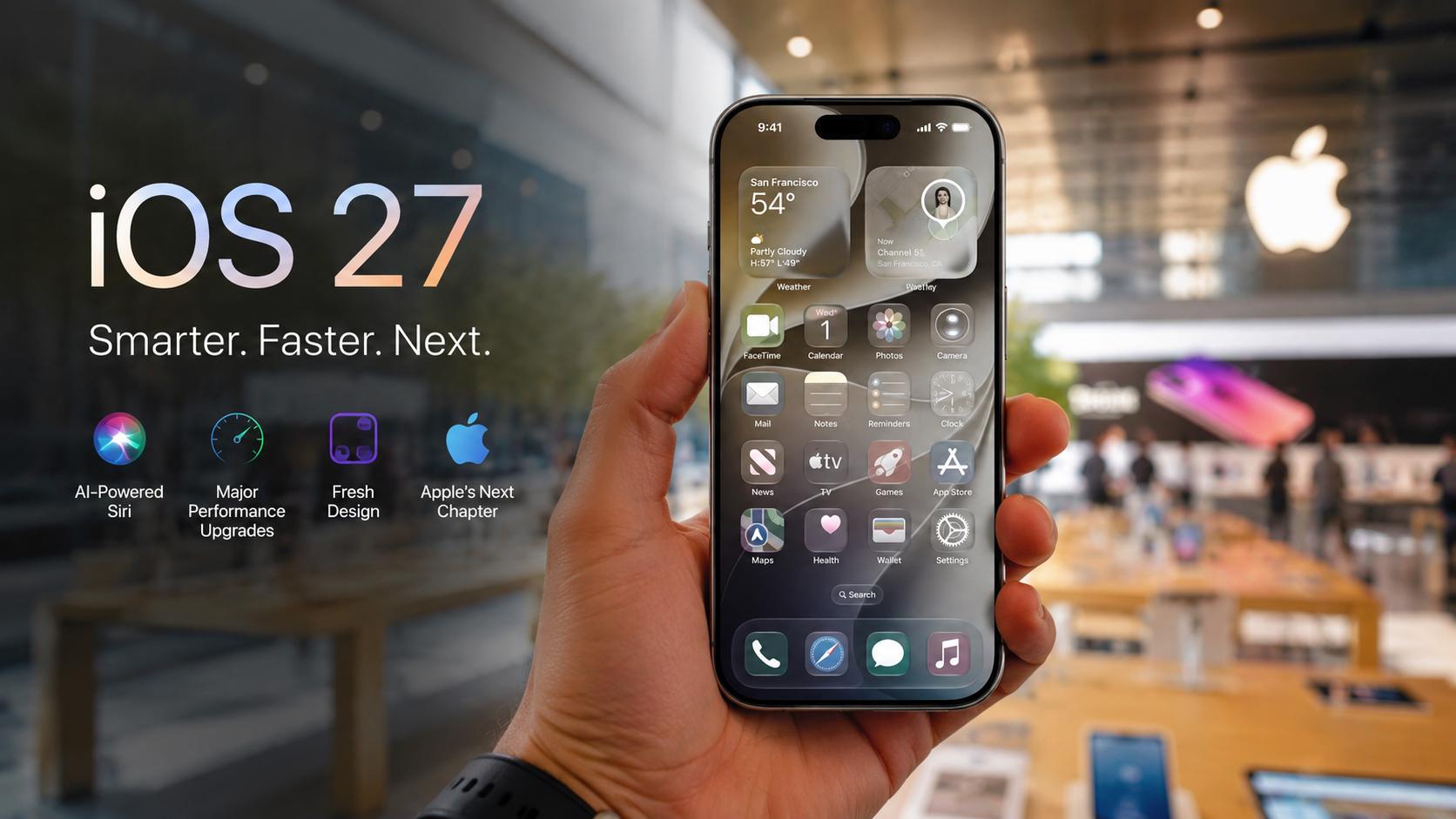

Introduction to the Capabilities of iOS 27
Apple unveiled its latest software platform at the Worldwide Developers Conference to enhance device efficiency. This release of iOS 27 delivers major interface updates alongside deep artificial intelligence integrations across core system applications. Consequently, the company aims to offer a more reliable and responsive mobile experience for global users. Developer beta testing is currently active worldwide across compatible testing devices. A public beta version will arrive in July. Additionally, the final stable software update will ship to supported mobile devices in the fall.
iOS 27 Strategic Timeline
The company built its new Siri AI assistant with help from Google Gemini foundation models. This assistant draws on personal context to retrieve files, old messages, and flight reservation details. Specifically, users can manage tasks across multiple applications using simple natural language instructions. The upgraded assistant also features a dedicated application that syncs chat histories using iCloud. Security remains a top priority, as the system utilizes Private Cloud Compute to safeguard user data. Thus, the system processes complex requests without storing any personal information on external servers.
Architecture and Performance Upgrades
The software updates deliver noticeable speed improvements that keep older mobile devices relevant for longer. A rewritten CPU scheduler drives these performance gains, supporting devices dating back to the iPhone 11. Indeed, typical application launch speeds increase by thirty percent under the new operating architecture. AirDrop file transfers move eighty percent faster, while photos load up to seventy percent quicker. Search indexes quietly reindex Spotlight, Mail, and Photo databases to deliver more relevant suggestions. Meanwhile, a helpful progress bar in iMessage prevents stuck uploads from blocking entire chats.
iOS 27 Optimized Gains
System speed improvements compared to iOS 26 baselines across core operations.
Designers also refined the unique Liquid Glass layout to offer improved interface customization options. Users can drag a new transparency slider to adjust panel visibility from opaque to clear. Resultantly, control center elements and system menus match individual aesthetic preferences with ease. App icons receive additional refraction layers to present a sharper, more defined look. Parental controls also expand with Ask to Browse and custom category timers. Therefore, families can establish healthy screen habits by setting limits on social media and games.
Hardware Compatibility
Architectural Obstacles for iOS 27 in Europe
Regulatory standards delay the launch of these next-generation intelligence tools in European territories. The Digital Markets Act requires Apple to give rival assistants full access to device data. Specifically, external artificial intelligence systems require permission to read private messages and send files autonomously. Apple argues that this extreme requirement exposes users to severe security risks. Security researchers have already proven that third-party systems remain vulnerable to data theft. Accordingly, Apple chose to block Siri AI in Europe to protect customer data integrity.
Siri AI Availability Status
The European Commission rejected safety proposals like the Trusted System Agent designed to bridge these gaps. This secure interface design would have allowed competing virtual assistants to operate safely. Indeed, there is currently no timeline for when Siri AI will reach European customers. The restriction also applies to developers in the European Union testing new watchOS software. Users in China face similar hurdles due to highly restrictive localized regulatory constraints. Nevertheless, the developer betas remain fully accessible for Mac and Vision Pro systems globally.
Leadership Transitions and Long-Term Outlook
This software launch marks the final executive keynote for chief executive Tim Cook. Cook oversaw Apple during a lucrative period of massive commercial and services expansion. Meanwhile, incoming chief executive John Ternus will officially assume leadership on September first. Ternus previously directed the hardware engineering division and pioneered the transition to custom silicon. He inherits an ecosystem that must rapidly integrate advanced artificial intelligence systems. Furthermore, this transition occurs as Apple prepares to introduce its first foldable device.
The foldable iPhone features customized window layouts designed specifically for its larger inner screen. Users can run multiple apps side-by-side and easily shift layouts using natural gestures. Additionally, Siri Mode in Camera allows users to analyze objects and split restaurant bills instantly. The platform also introduces advanced equalizers and automated video subtitles for accessibility. The company continues to prioritize inclusive product designs for all device users. This new software sets a foundation for the hardware innovations of the next decade.
Support Our Work
Help us keep creating and maintaining our projects. We appreciate your support!
Ways to contribute:
Shop via Affiliate LinksSupport us at no extra cost to you while you shop.
Support on Ko-fiBuy us a coffee to keep the engine running!




Leave a Reply