

Reconstructing a Legend
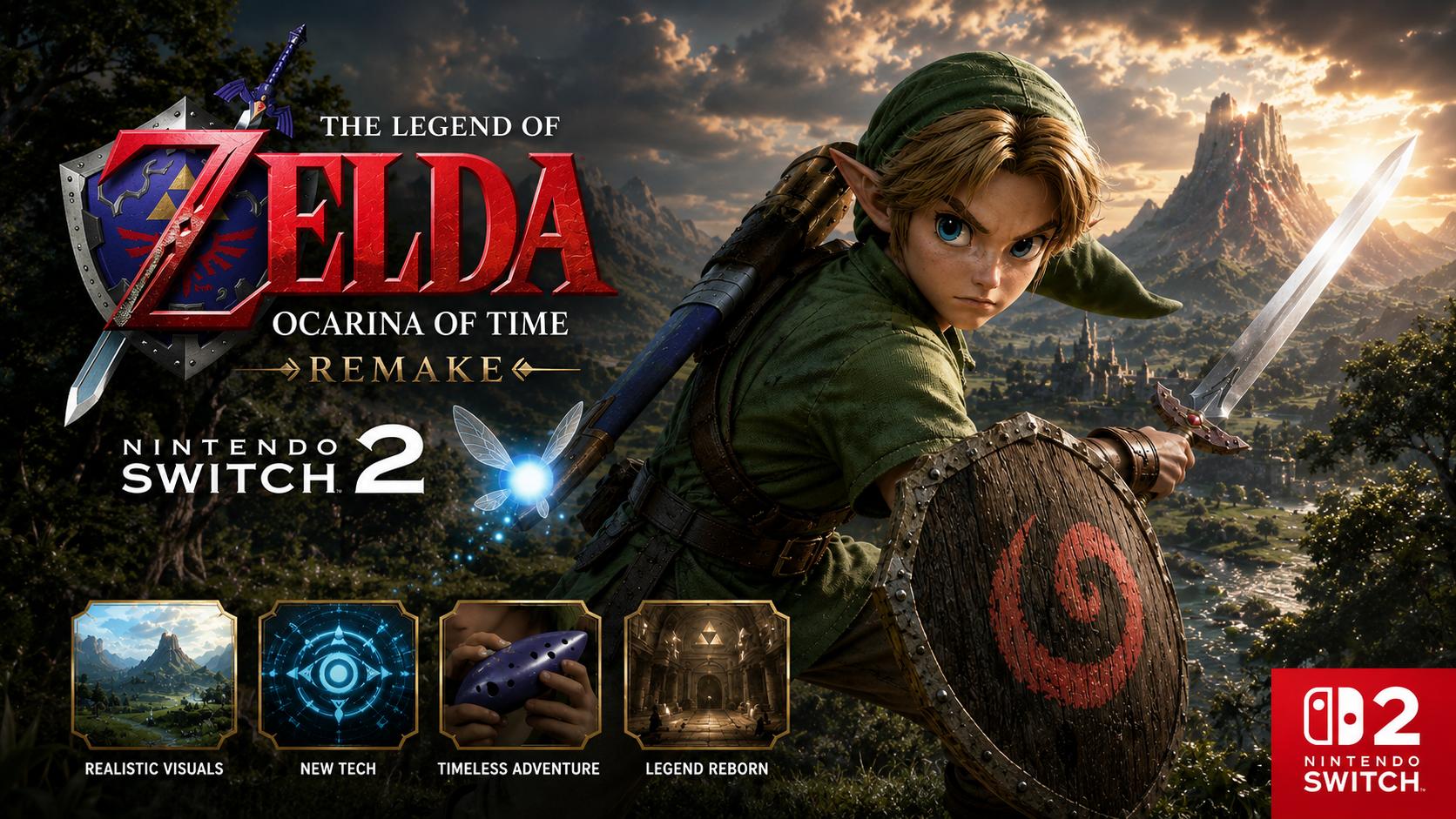
The gaming world changed forever when Nintendo officially announced the Ocarina of Time Remake for its next console. This major reveal occurred during the highly anticipated June 2026 Nintendo Direct presentation. Consequently, fans of the legendary franchise immediately celebrated the confirmation of these long-standing rumors. The brief teaser trailer showcased nostalgic elements but avoided showing any live gameplay footage. Instead, the footage focused on young Link sleeping peacefully in his forest home.
The official description promises a rebirth of the historic Nintendo 64 classic exclusively for the Switch 2. Meanwhile, the developer has committed to a launch window later this year. Players have waited decades for a modern console reimagining of this masterfully designed adventure. Currently, the original masterpiece still holds the highest Metascore in video game history. This upcoming project will surely drive early adoption of the new platform.
Exploring the Ocarina of Time Remake Visuals
The trailer highlights a surprising departure from the painted aesthetic of recent Zelda titles. Specifically, the game utilizes a realistic art style that emphasizes graphical depth and detailed textures. This shift will allow modern hardware to render the dark dungeons with impressive fidelity. Historically, the series has struggled to maintain atmospheric tension under older technical constraints. The new environment design successfully bridges classical geometry with hyper-realistic assets.
Nintendo aims to capture the eerie presence of the Shadow Temple and Bottom of the Well. Indeed, the advanced lighting system of the Switch 2 will make these areas genuinely terrifying again. Early reactions from the community show split opinions regarding this realistic approach. Some purists prefer the stylized cel-shading of recent entries. However, others eagerly anticipate a darker fantasy experience that matches the original promotional artwork.
Developer Partnerships and Production Realities
Speculation continues to swirl around which creative team is leading this massive undertaking. Reports suggest that Monolith Soft is actively assisting with the core development. Therefore, the partnership represents a major strategic expansion for the fully owned subsidiary. The studio recently updated its website to highlight its growing responsibilities within the Zelda franchise. This institutional shift indicates that Nintendo relies heavily on their massive technical workforce.
Grezzo previously developed the celebrated remaster of the game for the Nintendo 3DS platform. Nevertheless, industry experts doubt a smaller studio can handle a ground-up next-generation remake alone. A massive reimagining of this scale requires substantial technical resources and engineering support. Nintendo likely keeps the core Zelda team in supervisory roles to maintain structural integrity. As a result, this collaborative production strategy ensures a polished final product for the holiday launch.
Historical Iterations and Hardware Specifications
The classic title has undergone several visual and mechanical transformations since its debut in 1998. For example, the 3DS edition introduced gyroscopic aiming and a dedicated item slot for boots. These quality-of-life upgrades addressed long-standing player frustrations with the pacing of the game. Simultaneously, the active PC emulation community has pushed boundaries using the Ship of Harkinian source port. This community-made software runs natively on modern systems with custom texture support.
The official console releases present a clear history of technological progression over nearly thirty years. Furthermore, the table below documents the major specifications of each primary version.
Subsequently, this data illustrates how Nintendo has balanced preservation with gameplay modernization. The upcoming exclusive must deliver significant structural upgrades to justify a next-generation purchase.
Strategic Industry Impact and Future Outlook
This release represents a critical component of Nintendo’s long-term business strategy for its new hardware. Establishing a strong software library early in a console cycle always drives hardware adoption rates. Thus, utilizing a legendary title ensures immediate interest from both older and younger generations. The planned movie release in May 2027 will create additional marketing opportunities for the series. This multimedia approach closely mirrors the highly successful promotional strategies used for Super Mario.
The franchise celebrates its fortieth anniversary throughout 2026 with multiple strategic product announcements. Nonetheless, the president of Nintendo has declined to comment directly on specific anniversary celebration plans. Fans will certainly receive a steady stream of media updates leading to the holiday launch. Ultimately, this masterpiece remains a crucial touchstone for the entire interactive entertainment industry.
Support Our Work
Help us keep creating and maintaining our projects. We appreciate your support!
Ways to contribute:
Shop via Affiliate LinksSupport us at no extra cost to you while you shop.
Support on Ko-fiBuy us a coffee to keep the engine running!





Leave a Reply