
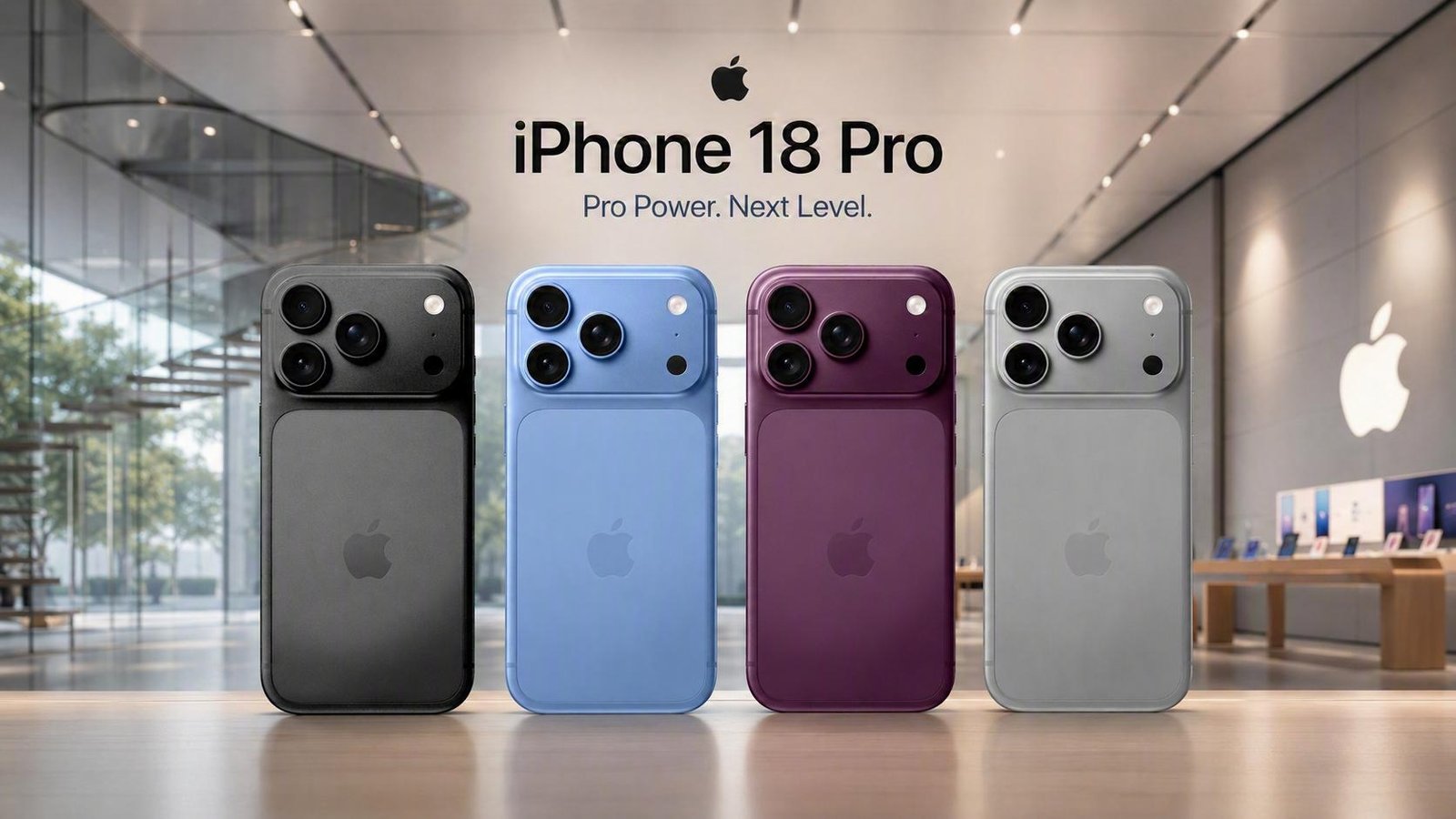

Apple’s Staggered Flagship Strategy for 2026
The tech world is buzzing with anticipation as the rumored iPhone 18 Pro Release Date draws closer. Enthusiastic consumers are eager to see how Apple’s next-generation hardware will reshape the competitive premium smartphone market.
However, recent supply chain leaks indicate a major departure from Apple’s traditional annual launch schedule. Multiple manufacturing sources suggest that Apple plans to split its upcoming smartphone lineup into two separate launch windows.
Under this staggered rollout, the high-end Pro models will debut first during the company’s traditional autumn event. Meanwhile, the standard base models will reportedly face delays, pushing their official release into early 2027.
This strategic shift is corroborated by comments from lens supplier Largan Precision regarding a delayed product. Autumn buyers will only have premium high-end models from which to choose during this initial premier launch phase.
Apple aims to focus attention on its most profitable devices during the high-volume holiday shopping period. This staggered approach also helps optimize factory resource allocation across the entire manufacturing supply chain.
Inside the 2-Nanometer Powerhouse
The core of this next-generation performance lies in the highly advanced, rumored A20 Pro system on a chip. Furthermore, this processor will mark Apple’s first commercial application of TSMC’s cutting-edge 2-nanometer process.
This newly developed architecture will incorporate advanced, proprietary Wafer-Level Multi-Chip Module semiconductor packaging. The technology integrates high-speed random-access memory directly onto the primary silicon wafer.
This physical proximity reduces internal data travel distances within the processor to enhance computational speed and system efficiency. Therefore, users should experience up to fifteen percent faster speeds alongside a thirty percent reduction in power consumption.
To support advanced on-device artificial intelligence features, the hardware will feature twelve gigabytes of RAM. Siri can perform highly complex tasks locally without relying on external cloud servers.
This direct integration of RAM onto the silicon wafer requires incredibly high physical precision during the assembly stage. TSMC must charge a premium for these ultra-dense semiconductor packages to cover high tooling investments.
Anticipating the iPhone 18 Pro Release Date
Apple traditionally unveils its flagship smartphone hardware during the highly anticipated second week of September. Subsequently, pre-orders commence on the following Friday, with retail shipments beginning approximately one week later.
Predictable annual historical patterns point toward a classic mid-September debut for these upcoming premium devices. Nevertheless, rising component expenses could force Apple to adjust its retail pricing structure this year.
Global demand for artificial intelligence infrastructure has caused a severe memory chip shortage. In addition, TSMC’s advanced 2-nanometer process remains exceptionally expensive to manufacture at scale.
Specifically, analyst estimates suggest Apple’s raw cost for twelve gigabytes of RAM will quadruple. The cost of basic flash storage will also jump from thirteen dollars to fifty-one dollars per unit.
Accordingly, the total bill of materials is projected to increase by twenty-five percent. To preserve its standard profit margins, Apple might implement a substantial price increase. Industry analysts suggest the entry-level flagship could start at twelve hundred and ninety-nine dollars.
A Major Photographic Leap
The primary camera will introduce a physical variable aperture mechanism for the first time. This addition will allow users to adjust light intake mechanically for enhanced control over depth of field.
Instead of relying on digital processing to fake background blur, the hardware will create genuine optical bokeh. A new shape memory alloy mechanism will drive this adjustable aperture.
This nitinol actuator provides precise control while fitting within the highly restricted space of a smartphone. The main camera will also feature a much larger image sensor.
This custom sensor, developed in collaboration with Samsung, represents a major supply chain shift. The larger sensor provides a thirty percent increase in surface area compared to the previous model.
Additionally, the variable aperture system is expected to cost Apple fifty percent more than previous designs. This pricing pressure from suppliers makes a higher retail price for the phone even more probable. This highly advanced camera hardware represents a significant performance leap for mobile photographers.
This physical expansion will result in a larger rear camera plateau. In fact, leaked schematics reveal the overall camera module thickness will increase to nearly fourteen millimeters.
Display and Connectivity Upgrades
The visual presentation will receive substantial refinements through advanced display technologies. For instance, the front cutout will shrink by up to fifty percent due to under-display components.
Moving the flood illuminator beneath the screen creates a narrower Dynamic Island. Simultaneously, the phone will adopt next-generation LTPO Plus panels for superior energy efficiency.
These displays will utilize premium organic materials to improve outdoor visibility. Apple plans to debut its custom C2 modem within this lineup.
This in-house silicon will replace Qualcomm modems to provide better power optimization. Ultimately, the integration will support expanded satellite features for everyday consumer applications.
Satellite connectivity will also enable expanded functionality in third-party maps and messaging applications. Apple also plans to introduce a beautiful new Dark Cherry signature color to complement these functional upgrades.
A physically larger battery will also contribute to longer operation. As a result, the device can deliver up to forty hours of real-world usage on a single charge.
Comparing Generational Shifts
To understand these changes, we can examine how the upcoming phone compares to its direct predecessor. Clearly, the transition represents one of the most significant hardware redesigns in several years.
The following table outlines the key technical differences based on verified supply chain leaks. Consequently, it highlights the architectural progression from the previous generation of hardware.
These metrics show a clear hardware focus on extreme efficiency and camera superiority. Thus, the upcoming model establishes a strong foundation for the future of Apple Intelligence.
Support Our Work
Help us keep creating and maintaining our projects. We appreciate your support!
Ways to contribute:
Shop via Affiliate LinksSupport us at no extra cost to you while you shop.
Support on Ko-fiBuy us a coffee to keep the engine running!






Leave a Reply