


- TYPE IT IN. TRANSFORM IT FAST: Enhance any shot in seconds on your smartphone by using Photo Assist¹ with Galaxy AI.² Ad…
- MAKE IT. EDIT IT. SHARE IT: Turn everyday moments into something personal with creative tools built right into your mobi…
- FAST. POWERFUL. AI-READY: Power through your day with AI-accelerated performance from our fastest, smoothest and most po…
Securing Your Custom WhatsApp Username
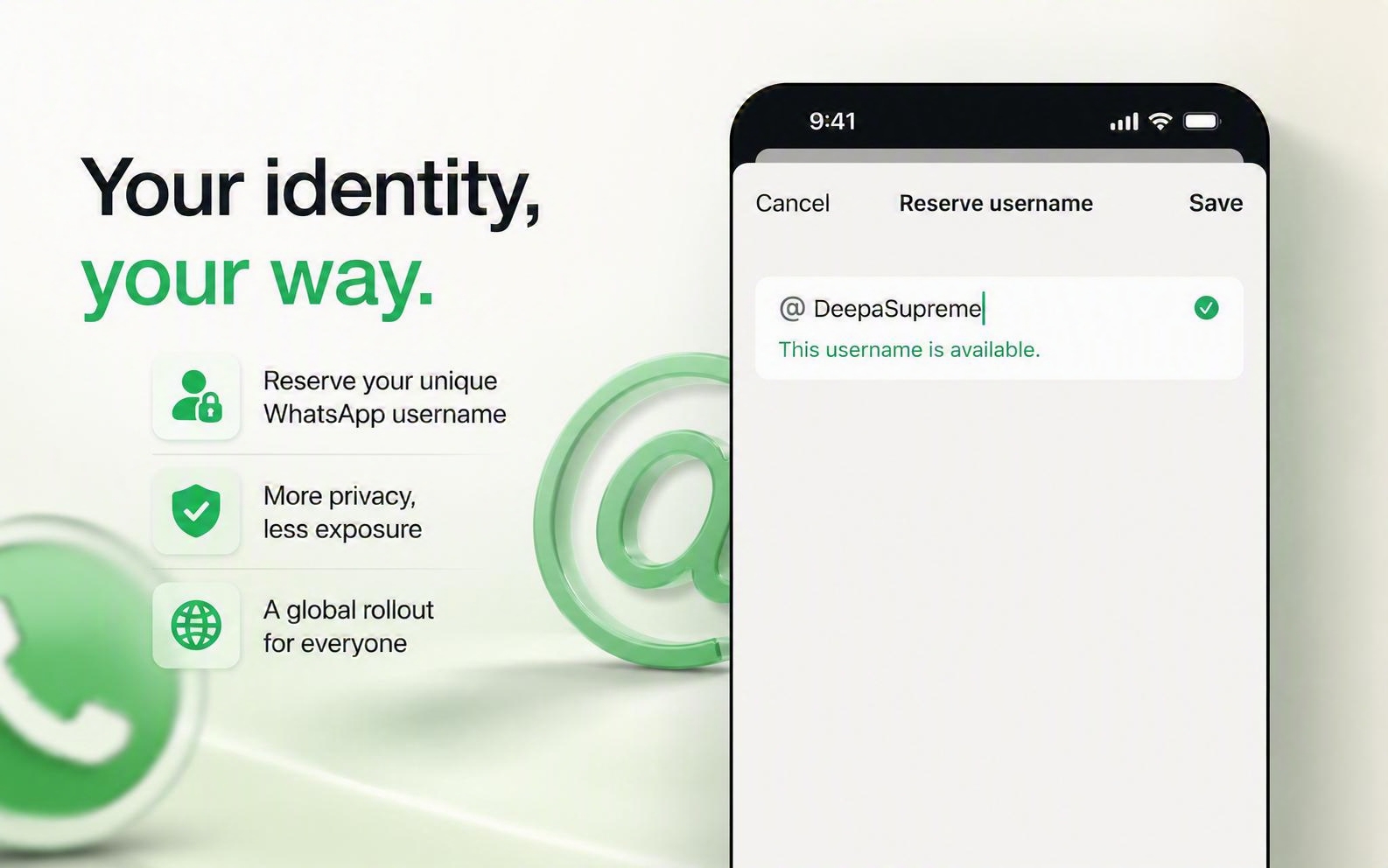
The tech company Meta has officially launched global handle reservations for all its three billion users. This shift marks a new era of privacy for the app. Indeed, people can now secure their preferred WhatsApp Username before the feature becomes public. Users will receive an in-app notification when the registration option officially opens locally. Actually, this update will reduce identity theft and protect users.
Consequently, users can claim their favorite handle directly in their personal settings screen. The company is rolling out these reservation options gradually over the coming months. This proactive measure ensures a fair chance to claim unique names. Therefore, users can protect their personal contact details from active strangers on the app. This rollout marks the most significant update to the identity system since launch. Truly, users do not have to register immediately to continue standard messaging services.
Key Formatting Rules for a WhatsApp Username
Choosing a custom identifier requires following several strict guidelines that prevent scams and avoid confusing links. Specifically, a chosen name must be between three and thirty-five characters long, using only permitted symbols. Users can only utilize lowercase letters, numbers, periods, and underscores to create their official handle. Additionally, every handle must contain at least one letter to prevent numeric registrations.
Thus, handles cannot start or end with a period or contain consecutive periods. In contrast, names cannot begin with web prefixes or end with domain extensions like com. If users struggle to find an available handle, a built-in generator will suggest unique alternatives. This utility automatically generates alternative names that comply with Meta’s formatting guidelines.
Furthermore, businesses can claim existing Instagram or Facebook handles to maintain consistent corporate branding. This integration with the Accounts Center ensures that verified organizations retain their established names. At the same time, merchants must link accounts to prove ownership before claiming labels. This verification procedure prevents malicious impersonation of famous creators or brands. As a result, brands can maintain consistent branding across digital marketing channels.
Restricting Access with Username Key PINs
This development represents a major upgrade to messaging privacy by eliminating phone number sharing. Starting a conversation with someone new will only expose their custom handle. This security improvement protects people from unwanted spam, phishing attempts, and online harassment. For instance, users can participate in group chats without exposing their personal phone number. Plus, this protective layout prevents random strangers from finding their contact data.
Meanwhile, WhatsApp is refusing to establish a searchable public directory, keeping user identity private. This choice means contacts must know the exact spelling to start a conversation. This design choice ensures that strangers cannot discover any user profile through guessing. Conversely, other platforms allow users to browse and search for random handles.
To enhance security, users can enable an optional four-digit key for another layer of defense. Without this unique code, unknown accounts cannot initiate conversations on the app. This feature gives users complete control over who can reach them on the platform. In particular, contacts who have the phone number can bypass this key check.
Comparing Meta with Telegram and Signal
For corporate accounts, Meta is simultaneously introducing a new backend identifier, the Business-Scoped User ID. This stable, country-code prefixed string ensures that customer phone numbers remain confidential during corporate transactions. In detail, businesses will receive this stable, anonymous identifier instead of a personal phone number. This change protects user data while allowing organizations to manage CRM database leads. Accordingly, business integrations must update their webhooks to process these new alphanumeric keys.
Likewise, contacts who already have the phone number will continue to see it as usual. To illustrate the landscape, analysts can compare these developments with key competitors. Truly, these changes represent a positive shift toward user safety and contact confidentiality. This progressive strategy aligns the company with modern security standards across the technology sector. Actually, users can enjoy a secure experience without sacrificing any key platform features. In the end, the platform is moving toward a model that respects user boundaries.
Support Our Work
Help us keep creating and maintaining our projects. We appreciate your support!
Ways to contribute:
Shop via Affiliate LinksSupport us at no extra cost to you while you shop.
Support on Ko-fiBuy us a coffee to keep the engine running!






Leave a Reply