


Introduction and Market Context
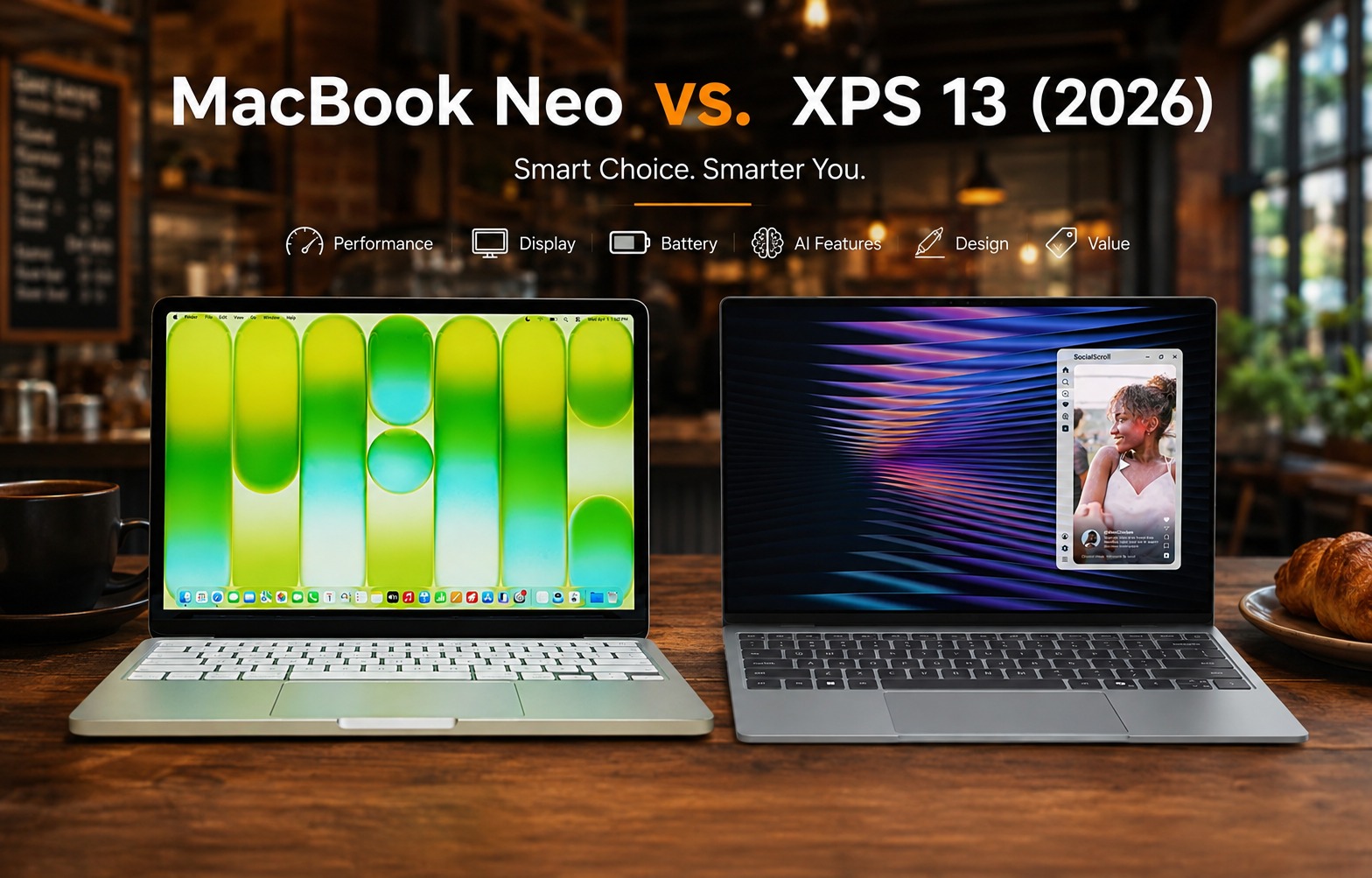
The budget ultraportable market features an intense rivalry between Apple and Dell in 2026. Consumers evaluating the Apple MacBook Neo vs. Dell XPS 13 (2026) discover two distinct design philosophies. Specifically, Apple introduced its newest entry notebook to capture mainstream buyers and university students. The Cupertino tech firm adapted smartphone processors to build an affordable fanless laptop. Conversely, Dell updated its flagship XPS line to deliver premium Windows performance at lower prices. Both hardware makers seek dominance in a rapidly evolving ultraportable computer sector.
Global chip supply constraints create notable manufacturing challenges for consumer hardware brands. Consequently, memory component costs have risen significantly due to generative artificial intelligence demands. Apple manages supply risks by stockpiling component inventory to cushion sudden price hikes. Meanwhile, Dell relies on efficient supply chain logistics to maintain aggressive retail pricing models. These conflicting corporate strategies directly shape the features available on each portable machine. Everyday buyers benefit from aggressive engineering breakthroughs across both competitive computer platforms.
Apple MacBook Neo vs. Dell XPS 13 (2026) Silicon Analysis
Silicon processing power forms the foundational difference between these two mobile operating systems. Apple equips the MacBook Neo with an A18 Pro system on a chip. This processor features two high-performance cores alongside four energy-efficient computing cores. Furthermore, benchmark testing yields impressive single-core Geekbench scores reaching 3,596 points. Dell utilizes Intel Core 5 320 Wildcat Lake architecture built on the 18A process. However, single-core benchmark evaluations for the XPS 13 top out near 2,500 points. Apple demonstrates superior single-threaded execution performance during everyday productivity tasks.
On-device artificial intelligence capabilities represent another key battleground for modern laptops. Specifically, Apple integrates a 16-core Neural Engine capable of 35 trillion operations per second. The processor fully powers local Apple Intelligence software features without needing active fan cooling. In contrast, Dell incorporates a neural processing unit rated at 16 TOPS. This performance level falls below Microsoft requirements for official Copilot+ classification. Therefore, Apple holds a clear technical advantage in localized artificial intelligence workload processing.
Display Technology and Chassis Engineering
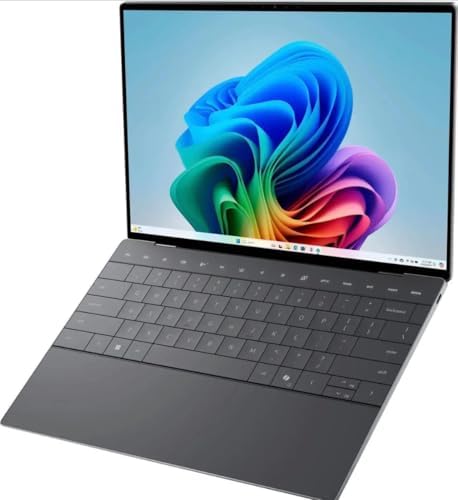
Display panel specifications reveal divergent product priorities between Apple and Dell development teams. Apple incorporates a 13.0-inch Liquid Retina LCD screen offering 2408 by 1506 resolution. The screen outputs 500 nits brightness but covers only the basic sRGB color spectrum. Moreover, the display runs at a fixed 60Hz refresh rate without True Tone support. Dell equips the XPS 13 with a larger 13.4-inch display panel. Additionally, Dell provides a 2560 by 1600 resolution panel with full DCI-P3 color coverage. The XPS screen supports dynamic 120Hz refresh rates and standard multi-touch input controls.
Structural dimensions highlight remarkable chassis engineering achievements across both portable devices. Both laptops share an identical thickness profile measuring exactly 0.50 inches. Nevertheless, Dell crafts a lighter chassis that weighs only 2.2 pounds. Apple uses a sturdier aluminum shell that brings total device weight to 2.7 pounds. Apple offers four distinct color options including Silver, Blush, Citrus, and Indigo. Thus, visual customization options favor Apple while Dell leads in overall weight reduction.
Port Selection and Multimedia Hardware
Interface connectivity choices reflect different design trade-offs for modern ultraportable users. Apple equips the MacBook Neo with two distinct USB-C physical ports. One port supports fast 10Gbps transfer speeds and DisplayPort 1.4 video output. However, the secondary port operates at slower USB 2.0 speeds up to 480Mbps. Apple retains a dedicated 3.5mm headphone jack for wired audio connections. Dell supplies two full-speed USB-C ports with DisplayPort 2.1 protocol support. Standard wired audio connectors are absent on the Dell ultraportable notebook frame.
Wireless networking hardware offers modern connectivity across both mobile laptop computing platforms. Dell integrates advanced Wi-Fi 7 capabilities alongside Bluetooth 6.0 wireless standards. Meanwhile, Apple deploys reliable Wi-Fi 6E networking paired with Bluetooth 6 technology. Multimedia playback hardware features quad speakers delivering 8W peak audio on Dell. Apple provides dual side-firing speakers engineered for immersive Spatial Audio output. Consequently, media creation and playback experiences remain highly competitive on both systems.
Specifications and Comparative Market Value
Hardware pricing configurations determine overall market accessibility for students and mainstream buyers. Apple lists the entry-level MacBook Neo at a standard retail price of 599 dollars. Educational store discounts drop the purchase price down to 499 dollars for students. Dell sets regular pricing at 699 dollars for the baseline XPS 13 model. Furthermore, Dell matches the 599 dollar price point during temporary back-to-school promotional periods. Storage allocations differ between base models across both major computer manufacturer catalog offerings. Dell provides 512GB standard storage while Apple includes 256GB on base configurations.
Hardware repairability scores from independent testing laboratories highlight critical maintenance differences. iFixit rated the MacBook Neo as Apple’s most repairable notebook design in 14 years. Screwed-down batteries and modular port construction simplify institutional fleet management for schools. Indeed, modular internal parts reduce overall lifetime maintenance costs for high-volume enterprise buyers. Accordingly, a detailed technical comparison table summarizes essential hardware differences between these rival systems.
| Feature | Apple MacBook Neo | Dell XPS 13 (2026) |
| Standard Retail Price | $599 ($499 Education) | $699 ($599 Student) |
| Processor Architecture | Apple A18 Pro (6-core) | Intel Core 5 320 (6-core) |
| Memory & Storage | 8GB RAM, 256GB SSD | 8GB RAM, 512GB SSD |
| Display Panel | 13.0″ Liquid Retina (60Hz) | 13.4″ 2.5K LCD (120Hz Touch) |
| Chassis Weight | 2.7 lbs (1.22 kg) | 2.2 lbs (1.00 kg) |
| Biometric Security | Touch ID (512GB tier) | Windows Hello IR Camera |
| Audio Ports | 3.5mm Headphone Jack | No Headphone Jack |
| Battery Streaming | Up to 16 Hours | Up to 17 Hours |
Hardware value comparisons depend heavily on specific individual user software requirements and workflows. Therefore, prospective customers must balance display capabilities against overall processor battery efficiency.
Market Impact and Strategic Industry Trajectory
Market performance data indicates strong commercial adoption for entry-level ultraportable laptop choices. The MacBook Neo generated substantial revenue growth across recent fiscal quarterly earnings reports. As a result, Apple successfully expanded Mac sales during severe semiconductor industry component shortages. Mobile A-series chip deployment validates fanless laptop designs for mainstream consumer daily tasks. Industry reports suggest Apple is preparing an updated A19 Pro silicon generation model. Future chip revisions will likely boost GPU performance through integrated hardware neural accelerators.
High component production expenses will continue driving strategic engineering decisions across the industry. Nonetheless, Dell offers compelling competition through higher screen refresh rates and lighter weight. Windows Hello infrared facial recognition delivers convenient biometric security without extra cost. Alternatively, Apple offers superior single-core CPU speeds and fanless silent operating efficiency. Ultimately, both entry devices deliver outstanding hardware engineering at affordable consumer price points. Consequently, budget laptop buyers enjoy access to powerful mobile productivity computing technology.
Support Our Work
Help us keep creating and maintaining our projects. We appreciate your support!
Ways to contribute:
Shop via Affiliate LinksSupport us at no extra cost to you while you shop.
Support on Ko-fiBuy us a coffee to keep the engine running!




Leave a Reply