
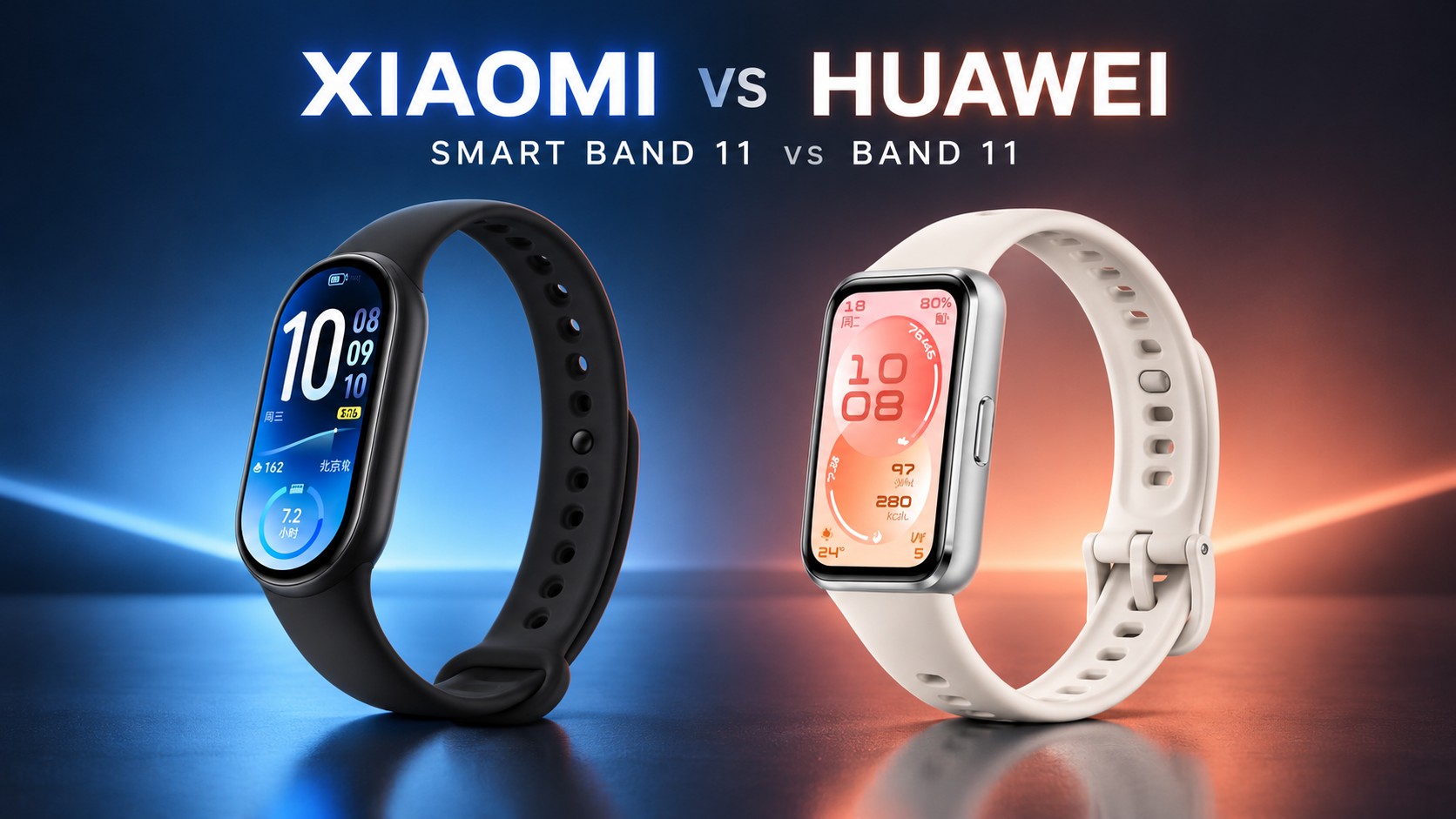

Xiaomi Smart Band 11 vs. Huawei Band 11 Market Impact
The wearable tech industry recently experienced a massive shift. The Xiaomi Smart Band 11 vs. Huawei Band 11 rivalry defines the entry-level market. Furthermore, IDC reports indicate impressive growth for smart wrist devices. Huawei captured the top global spot during recent quarters. Specifically, they secured an impressive twenty percent market share. Xiaomi tied closely with competitors for second place. Both companies recognize the potential of affordable wearables.
Both manufacturers view these affordable trackers as vital strategic assets. Consequently, they hook budget-conscious consumers into broader digital ecosystems. Component costs dropped significantly over the past year. As a result, brands can deliver flagship features cheaply. These aggressive strategies heavily disrupt standard smartwatch sales. Users eagerly upgrade their basic step counters for these devices. Consumers demand premium capabilities without paying flagship prices.
Display Tech in Xiaomi Smart Band 11 vs. Huawei Band 11
Modern fitness trackers prioritize brilliant screens and sleek bodies. Xiaomi equipped its tracker with a 1.72-inch display. Moreover, this vibrant screen peaks at 2000 nits. Users read their notifications easily under harsh direct sunlight. Huawei utilizes a slightly smaller 1.62-inch AMOLED panel. However, this competing display still reaches 1500 nits. Smooth sixty-hertz refresh rates keep menu navigation fluid.
Comfort remains a critical factor for wearable devices. Xiaomi thinned its main chassis down to 9.99 millimeters. Meanwhile, Huawei crafted an incredibly slim 8.99-millimeter profile. Both metallic devices weigh about sixteen grams without straps. Additionally, buyers can select premium ceramic or metal finishes. These material choices elevate the standard sporty aesthetic. Interchangeable straps allow users to personalize their daily style easily.
Health Tracking in Xiaomi Smart Band 11 vs. Huawei Band 11
Health algorithms saw massive improvements this hardware generation. Xiaomi introduced advanced sleep Heart Rate Variability tracking metrics. Therefore, users gain deeper insights into physical recovery trends. The system also tracks over 150 unique sports modes. Conversely, Huawei includes robust sleep breathing awareness technology. Its unique TruSleep system accurately maps detailed rest cycles. Accurate optical sensors track vital statistics during workouts.
Heart diagnostics now provide clinical levels of utility. Huawei features certified Pulse Wave Arrhythmia Analysis for users. Indeed, it monitors emotional wellbeing through interactive watch faces. Xiaomi matches this intensity with updated blood oxygen sensors. Similarly, both bands handle 5ATM water resistance perfectly well. Swimmers can confidently record their laps underwater. Advanced stroke recognition algorithms improve aquatic fitness data collection.
Battery Life of Xiaomi Smart Band 11 vs. Huawei Band 11
Battery endurance dictates consumer satisfaction with wearable tech. The Xiaomi tracker houses a 233mAh high-density graphite battery. Nevertheless, the company advertises up to 21 days runtime. This maximum figure requires extremely light everyday usage patterns. Yet, typical daily usage still yields an impressive twelve days. Enabling the always-on display reduces this to six days. Next, fast charging capabilities restore power within ninety minutes.
Huawei takes a different approach to power management. Their device packs a larger 300mAh internal battery cell. In contrast, the maximum advertised light usage hits fourteen days. Typical daily wear demands a fresh recharge after eight days. Otherwise, the always-on display drains the battery quickly. Both devices recharge rapidly via proprietary magnetic charging cables. Frequent travelers greatly appreciate leaving their charging accessories at home.
| Feature | Xiaomi Smart Band 11 | Huawei Band 11 |
| Thickness | 9.99 mm | 8.99 mm |
| Weight | 15.58 g | 16 g to 17 g |
| Display | 1.72 inches | 1.62 inches |
| Luminance | 2000 nits | 1500 nits |
| Battery | 21 days | 14 days |
Software Ecosystems and Market Strategy
Hardware specifications only tell half the wearable story. Software ecosystems increasingly dictate long-term consumer loyalty and satisfaction. Hence, Xiaomi uses HyperOS 4 to connect multiple devices. The band seamlessly controls smart home appliances and cars. Thus, buying the tracker enhances the broader brand experience. This interconnected strategy drives repeat hardware sales globally. Then, developers continue expanding third-party application support.
Huawei operates its own formidable HarmonyOS wearable software platform. The official app aggregates deep medical-grade diagnostic data accurately. Also, the user interface runs smoothly even on budget hardware. The emotional wellbeing pets showcase Huawei’s creative software design. Ultimately, both companies push the limits of budget technology. Consumers gain premium smartwatch tools for entry-level prices. The market thrives on this relentless competitive innovation.
Support Our Work
Help us keep creating and maintaining our projects. We appreciate your support!
Ways to contribute:
Shop via Affiliate LinksSupport us at no extra cost to you while you shop.
Support on Ko-fiBuy us a coffee to keep the engine running!

Leave a Reply