

Nvidia After Jensen Huang: How Legal Turmoil and Chip Supply Shape GPU Costs
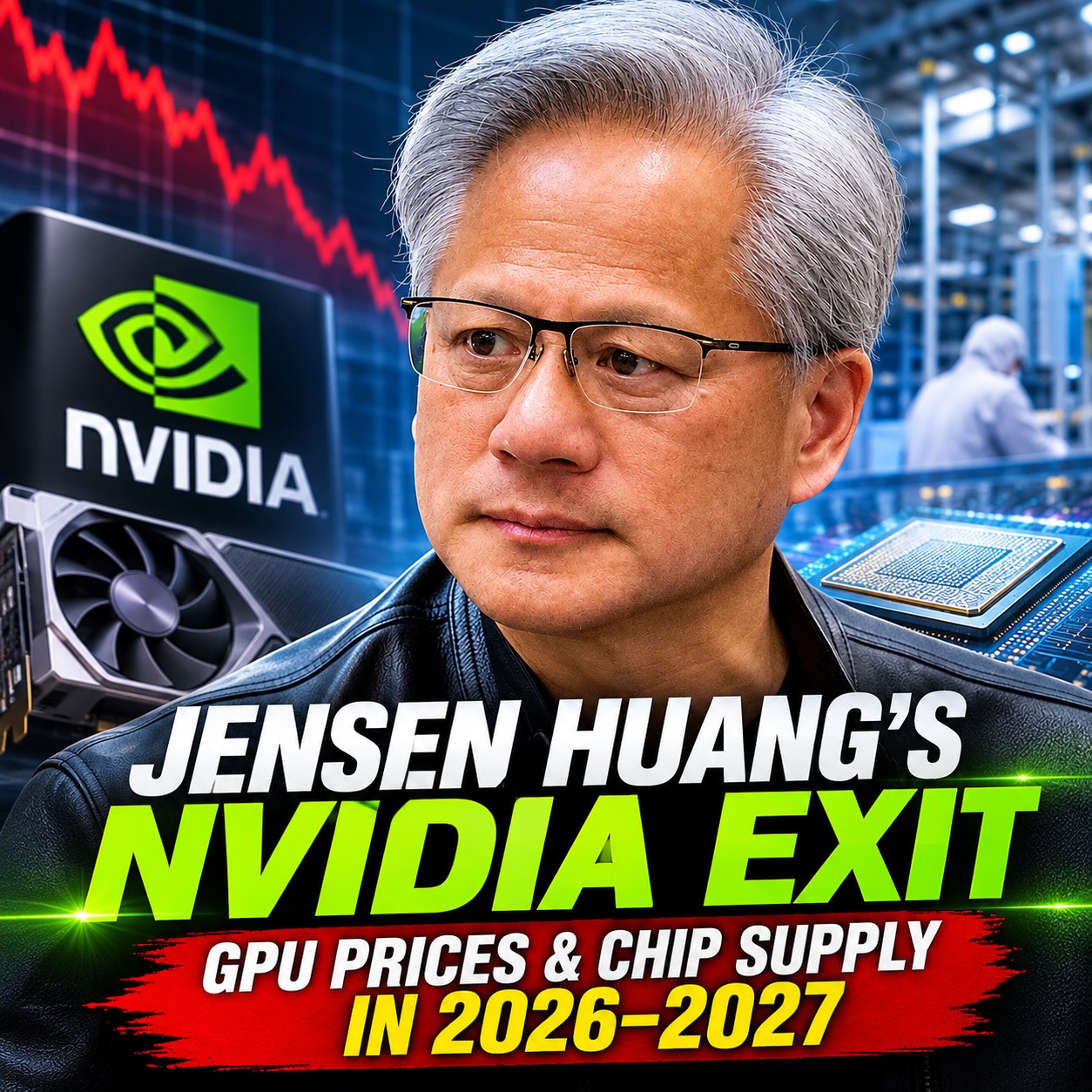
Tracking the Jensen Huang case impact on GPU prices requires separating stock selloffs from factory chip supply. Nvidia’s co-founder resigned immediately on November 12, 2026, ending a 33-year run as chief executive. A board-ordered foreign-intelligence inquiry and media reports of workplace affairs preceded his sudden exit. However, graphics card spot prices have not jumped from this leadership shakeup. Retail buyers and AI labs already face steep hardware bills across major markets.
Instead, current pricing reflects memory bottlenecks, enterprise AI demand, and disputed financing deals. Traders in China’s Huaqiangbei hardware hub watched several GeForce spot prices cool this week. Meanwhile, U.S. shoppers pay double launch prices or higher for flagship Blackwell cards. Active antitrust inquiries and pending congressional testimony add fresh uncertainty for corporate cloud buyers. Therefore, hardware buyers need verified street data over viral social-media rumors.
Scandal, Lawsuits, and Nvidia’s Leadership Shakeup
On November 8, 2026, Huang emailed Nvidia staff admitting to an extramarital affair. Independent directors hired law firm Wachtell, Lipton, Rosen & Katz to probe foreign-intelligence reports. At the center of that inquiry sat Alice Huang, a former executive at Singapore-based Megaspeed. U.S. intelligence officials suspected Megaspeed of routing restricted AI chips toward Chinese buyers. Subsequently, media outlets reported two alleged workplace relationships involving Nvidia employees, intensifying boardroom pressure. Directors named Chief Financial Officer Colette Kress interim chief executive on November 12. On the governance side, veteran director Harvey C. Jones became Nvidia’s first board chair.
Legal pressure escalated rapidly outside the boardroom during that same turbulent week. On November 9, shareholder Mark Kistenmacher filed a proposed class action in California federal court. His civil complaint alleges Nvidia misled investors about Megaspeed between October 2025 and November 2026. Additionally, Semafor reported three active Justice Department inquiries touching Nvidia, Megaspeed, and Supermicro. One federal inquiry examines Nvidia on antitrust grounds; two separate probes trace alleged chip-diversion networks. Nevertheless, prosecutors have charged neither Jensen Huang nor Alice Huang with any crime. Megaspeed denies smuggling chips, Beijing rejects espionage claims, and courts have certified no class.
Evaluating the Jensen Huang Case Impact on GPU Prices
Equity markets reacted sharply to the governance turmoil, erasing massive shareholder value overnight. During November 12 trading, Nvidia shares dropped over 14 percent intraday, breaking below $4 trillion. Conversely, physical graphics card spot markets barely budged at the executive departure. Shenzhen merchants reported adequate inventories and predicted the scandal will not move spot prices. Across Huaqiangbei stalls, GeForce RTX 5090 spot quotes eased from 60,000 yuan toward roughly 50,000 yuan. In fact, Huaqiangbei dealers tied those price declines to weak Chinese demand and falling crypto values.
U.S. retail channels display steep premiums over official launch prices across Nvidia’s Blackwell cards. Packing 21,760 CUDA cores and 32 GB of GDDR7, the RTX 5090 launched at $1,999. By contrast, early-November Newegg listings quoted that flagship from $6,919.99 up to $11,896. Mid-tier models show severe markups; RTX 5070 Ti listings reached $1,499 new on November 14. For value shoppers, AMD’s Radeon RX 9070 XT trades near $759 to $959.
Memory Shortages and Circular Financing Claims
Recent investigative reporting examines how Huang’s past commercial strategy propped up chip prices before November. Specifically, TechSpot summarized a Wall Street Journal profile alleging Nvidia financed cloud customers during 2026. Under those deals, Nvidia reportedly helped cloud clients buy chips to absorb surplus TSMC wafers. Critics compared those arrangements to circular financing, and Senator Jack Reed questioned potential systemic credit risks. Notably, Nvidia denied halting cloud commitment initiatives, and trackers label a $250 billion OpenAI figure unconfirmed.
Component allocation choices inside Nvidia squeezed desktop shoppers well ahead of the boardroom shakeup. For instance, chipmakers directed vast DRAM and NAND output toward lucrative enterprise AI accelerators. With fewer GDDR7 modules reaching desktop boards, retail inventories shrank across major storefronts. Consequently, GeForce street prices climbed above 160 percent of official launch pricing during 2026. On November 3, a leaked Colorful price list showed Chinese hikes up to 3,300 yuan. Nvidia has not confirmed that distributor list, which surfaced nine days before Huang stepped down.
Vera Rubin Production and Cloud Rental Costs
Corporate buyers fear hardware delays, and Nvidia insists its data-center roadmap faces zero disruption. Ahead of November 17 quarterly earnings, Kress promised uninterrupted deliveries across customer contracts. Moreover, Nvidia confirmed full production for its next-generation Vera Rubin platform on October 21, 2026. By October 27, Oracle Cloud Infrastructure launched general availability for Vera Rubin NVL72 clusters. Each Rubin GPU pairs 288 GB of HBM4 memory with 50 PFLOPS of FP4 inference throughput. Nonetheless, ServeTheHome reported shipping Rubin chips trimmed HBM4 bandwidth from 22 TB/s to 19.2 TB/s.
Cloud rental markets show persistent capacity tightness without immediate post-scandal price relief. Indeed, Ornn Compute Price Index rates jumped over 20 percent for H100, H200, and B200 nodes. Analyst estimates place single Rubin GPUs near $55,000 and full NVL72 racks above $7.8 million. Outside analysts project TSMC packaging limits cap 2026 Rubin output near 300,000 units without Nvidia confirmation. Accordingly, multi-year hyperscaler contracts insulate cloud rental rates from executive turnover inside Santa Clara.
8-GPU Est (100h): $2,704
8-GPU Est (100h): $5,696
8-GPU Est (100h): $7,528
NVL72 Rack: >$7.8M (~300k 2026 cap)
Antitrust Scrutiny, Export Bills, and Reinstatement Calls
Beyond silicon hardware, Nvidia spent the past year buying major AI software and infrastructure assets. The chipmaker bought workload manager SchedMD in December 2025 and Groq assets for $20 billion. On September 3, 2026, Nvidia agreed to buy Hugging Face for $12.93 billion. Furthermore, federal antitrust enforcers are reviewing Nvidia’s purchases of Hugging Face, Groq, SchedMD, and Run:ai. China’s market regulator separately accused Nvidia of violating Mellanox antitrust conditions in September 2025. Forced neutrality mandates or regulatory penalties could reshape Nvidia’s software fees and cloud partnerships.
Geopolitical rules present the largest wild card for global chip pricing entering 2027. Before Thanksgiving, Huang plans to testify before U.S. lawmakers regarding export security protocols. In addition, Senate leaders signaled likely new chip export curbs inside the upcoming defense bill. Pending federal rules target overseas cloud rentals by restricted Chinese AI labs. On the other hand, Tesla chief Elon Musk backed calls to reinstate Huang over supply-chain ties. Musk warned that informal handshake deals with crucial hardware suppliers depend heavily on founder trust.
Practical Guidance for Hardware and Cloud Buyers
Desktop Builders Compare Street Markups
PC builders navigate tough choices as flagship RTX 50-series cards double original launch prices. For example, Tom’s Hardware lists median RTX 5070 street prices near $659 against $549 MSRP. Entry-tier markups hurt budgets, lifting RTX 5060 street listings toward $449.99 from $299.
TechPowerUp noted AMD Radeon cards skipped early November hikes, despite looming GDDR6 memory cost pressures. As a result, checking live street quotes across rival brands protects shoppers from steep markups.
Cloud Teams Track Upcoming Milestones
Ultimately, enterprise compute buyers should track two near-term dates for clearer contract pricing signals. Nvidia’s November 17 earnings call could clarify supply plans and customer wafer commitments. In federal court, investors face a January 8, 2027 deadline for lead plaintiff motions.
Specialist clouds like Spheron and Runpod offer lower hourly rates than hyperscalers for flexible jobs. Overall, tight silicon capacity—not courtroom drama—sets the real floor for hardware and rental costs.
Support Our Work
Help us keep creating and maintaining our projects. We appreciate your support!
Ways to contribute:
Shop via Affiliate LinksSupport us at no extra cost to you while you shop.
Support on Ko-fiBuy us a coffee to keep the engine running!






Leave a Reply