
Cybersecurity experts recently discovered a massive unsecured database containing nearly 150 million unique login credentials. This staggering collection includes roughly 48 million entries linked to the Gmail Password Data Breach phenomenon. Specifically, the data sat exposed on a cloud server without any password protection or encryption. Security researcher Jeremiah Fowler found the repository while monitoring for potential digital threats.
He immediately noticed that the database was not just a static list of old information. Instead, the collection continued to grow in real-time as he investigated the situation. This suggests that active infostealer malware was funneling fresh data directly into the open server. While the server is now offline, the implications for global privacy remain deeply concerning.

The Anatomy of the Exposure
The leaked data spans across multiple platforms beyond just Google services. Researchers identified 17 million Facebook accounts and 6.5 million Instagram logins within the same batch. Furthermore, the database contained credentials for 3.4 million Netflix users and 420,000 Binance cryptocurrency accounts.
Unlike typical leaks, this set included direct login URLs for many of the affected services. This detail allows criminals to bypass initial search steps and jump straight to the login portal. Consequently, the risk of automated credential-stuffing attacks has risen significantly for those listed. Even government domains ending in .gov were found among the 96 gigabytes of raw data.
Why Infostealers are the Real Culprit in Gmail Password Data Breach
Reputable sources indicate that this was not a direct hack of Google’s central infrastructure. Rather, the primary source appears to be “infostealer” malware infecting individual user devices. This software silently records keystrokes when a person logs into their favorite websites.
After capturing the data, the malware sends the stolen usernames and passwords to a central repository. Because the malware operates on the user’s computer, it bypasses the security of the actual service provider. Therefore, even the most secure platforms can appear compromised when users have infected hardware. This shift in tactics highlights a move from attacking servers to attacking the “identity layer.”
Google’s Official Stance and Reality
In response to the growing headlines, Google has issued several clarifications regarding the safety of its systems. The tech giant maintains that its core Gmail defenses remain unbreached and highly effective. They argue that many reports confuse aggregated infostealer databases with fresh platform-wide security failures.
However, for the 48 million users whose details were in that specific database, the danger is real. While Google’s servers are safe, the individual accounts are vulnerable if the passwords remain unchanged. The company continues to encourage the adoption of passkeys to replace traditional, stealable passwords. They also emphasize that their automated systems block 99.9% of phishing attempts daily.
Steps to Reclaim Your Digital Security after Gmail Password Data Breach
If you suspect your information was part of this leak, you must take immediate action. First, change your Gmail password to something unique that you have never used before. Next, enable two-factor authentication (2FA) using an authenticator app rather than just SMS codes.
Avoid clicking on links in emails that claim your account has already been hacked. These are often phishing attempts designed to steal the new password you just created. Instead, navigate directly to the official Google Security Checkup page to review your account health. Finally, consider using a dedicated password manager to generate and store complex, unique keys for every site.
Looking Ahead at the 2026 Threat Landscape
As we move further into 2026, the use of AI in cyberattacks is becoming more frequent. Hackers now use machine learning to test stolen passwords across thousands of sites simultaneously. This makes “password reuse” one of the most dangerous habits a modern internet user can have.
The recent discovery of the 149 million records serves as a loud wake-up call for everyone. We must transition away from the “password-only” era to stay ahead of evolving malware. Protecting your digital identity is no longer a one-time task but a continuous process of hygiene. Stay vigilant, stay updated, and never trust an unencrypted connection with your sensitive data.
Your Personalized Security Checklist to Anticipate Gmail Password Data Breach
Knowing about the breach is only the first step toward safety. You must now take active measures to secure your digital footprint. Use this checklist to build a stronger defense against future threats.
1. Audit Your Presence
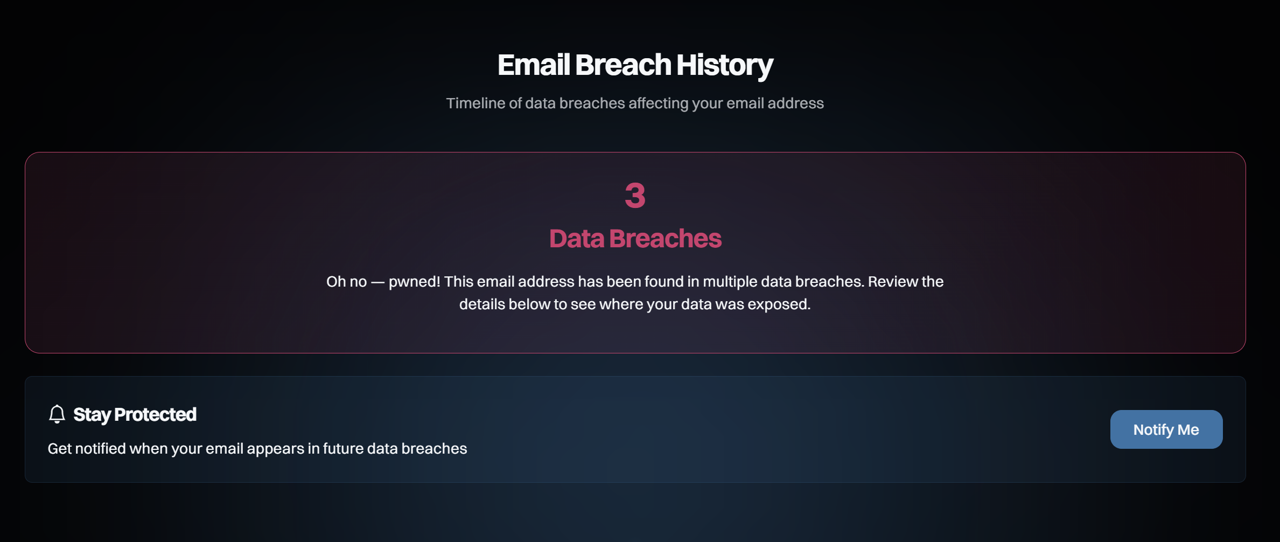
- Check Breach Status: Visit reputable sites like “Have I Been Pwned” immediately. Enter your email to see if your data appears in recent leaks.
- Review Active Sessions: Go to your Google Account settings right now. Check the “Your Devices” section for any unrecognized hardware.
2. Update and Uniqueify
- Change Your Password: Create a long passphrase of at least 15 characters. Never reuse this password on any other website or application.
- Deploy a Manager: Use a reputable password manager to store complex keys. This prevents you from needing to remember dozens of different passwords.
3. Layer Your Defenses
- Enable 2FA: Activate two-factor authentication on every account that offers it. Use an authenticator app instead of SMS codes for better security.
- Consider Passkeys: Transition to passkeys if your device and services support them. These are much harder for malware to steal than typed passwords.
4. Clean Your System
- Scan for Malware: Run a deep scan using trusted antivirus software. If your device is infected, a new password will be stolen instantly.
- Update Everything: Ensure your browser, operating system, and apps are fully updated. Developers release patches to close the holes that malware exploits.
Looking Toward a Passwordless Future in 2026
The year 2026 has already shown us that static passwords are obsolete. AI-driven attacks can now crack simple passwords in a matter of seconds. Therefore, we must move toward hardware-based security and biometric authentication. The recent exposure of 149 million records is a final warning for the skeptical.
We can no longer afford to be passive about our digital identities. Security is a continuous journey rather than a single destination. Stay informed about new threats by following reputable cybersecurity news outlets. By taking these small steps today, you prevent a massive headache tomorrow. Your data is your property, so fight to keep it that way.
Essential Security Links
- Have I Been Pwned: Verify if your email was leaked
- Google Security Checkup: Official tool for Gmail users
- ExpressVPN Research: Full report on the 149M data exposure





Leave a Reply