
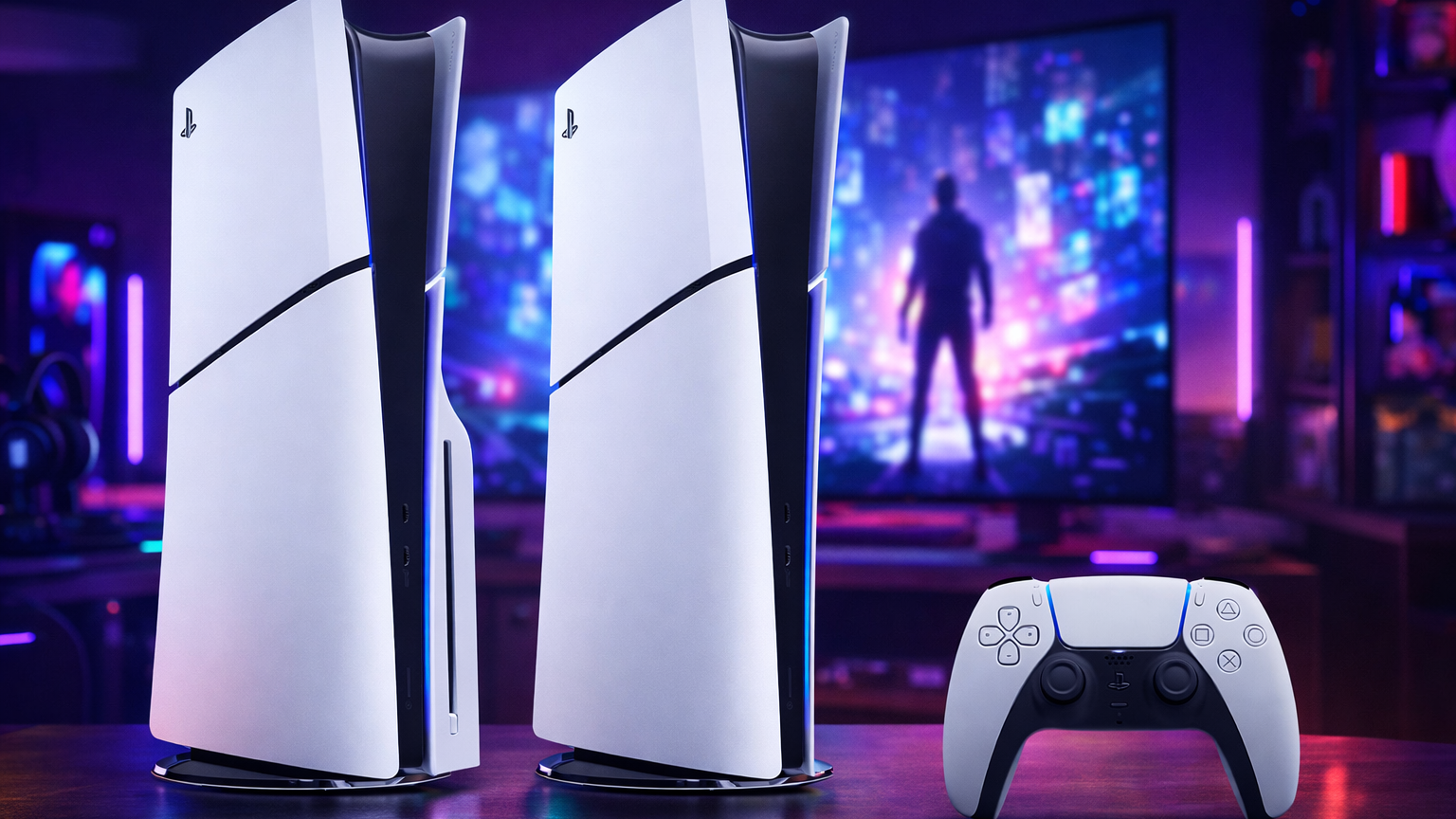
The rumor mill for the Sony PlayStation 6 is currently working overtime. Specifically, a tidal wave of technical leaks just hit the internet. Consequently, fans are debating the potential of this next-generation powerhouse. Most information stems from a reliable hardware leaker known as KeplerL2. Truly, the alleged internal specifications represent a monumental leap for console gaming.

The Memory Revolution: Speed and Capacity
First, let’s talk about the massive shift in system memory. Reportedly, the PlayStation 6 will feature 30GB of GDDR7 RAM. This is nearly double the capacity of the current PS5. Furthermore, the use of GDDR7 technology ensures blistering transfer speeds. Specifically, the memory is expected to run on a 160-bit bus. Because of this, the total bandwidth could reach an incredible 640 GB/s.
| Spec Feature | PlayStation 5 | PlayStation 5 Pro | PlayStation 6 (Rumored) |
| Memory Type | GDDR6 | GDDR6 | GDDR7 |
| Total RAM | 16GB | 16GB (+2GB DDR5) | 30GB |
| Bandwidth | 448 GB/s | 576 GB/s | 640 GB/s |
Actually, the physical layout of this memory is quite unique. The leak suggests Sony will use 3GB memory modules. These will likely be arranged in a “clamshell” configuration. Consequently, ten of these modules will be soldered to the motherboard. Such a high-density setup is necessary for advanced ray tracing. Moreover, it will provide ample headroom for massive open-world environments.
Processing Power: Zen 6 and RDNA 5
The heart of the machine will remain an AMD-designed chip. Apparently, the console is powered by the Zen 6 CPU architecture. This processor will likely feature a hybrid design for efficiency. Specifically, reports mention eight Zen 6c cores and two standard Zen cores. This combination allows for powerful performance while minimizing heat. Therefore, the console could maintain a smaller physical footprint.
On the graphics side, Sony is targeting a custom RDNA 5 GPU. However, it might not be the “full” feature set of PC versions. Instead, Sony is likely customizing the architecture to reduce costs. Nevertheless, the performance targets are still incredibly ambitious. The GPU is rumored to deliver roughly 34 to 40 TFLOPs of power. This represents nearly triple the rasterization performance of the base PS5.
AI and Ray Tracing: The Real Game-Changers
Raw power is impressive, but AI is the real focus. Sony is reportedly developing a custom accelerator codenamed “Amethyst.” This hardware will specifically handle AI-based upscaling and ray tracing. Consequently, we might see a 12x jump in ray-tracing throughput. This could allow for full path tracing at 60 FPS. Furthermore, a second-generation version of PSSR (PlayStation Spectral Super Resolution) is expected.
Actually, these AI features are designed to future-proof the hardware. By using AI to upscale images, the GPU saves resources. Consequently, the console can hit higher frame rates without losing detail. This strategy aligns with the current trends in PC gaming. Sony clearly intends to bridge the gap between consoles and high-end PCs. Therefore, the PS6 could be the most “forward-thinking” console ever made.
The Handheld Sibling: Project Canis
In addition to the home console, a handheld is rumored. Codenamed “Project Canis,” this device would be a native machine. Unlike the PS Portal, it won’t rely solely on streaming. Instead, it will feature its own Zen 6c APU. Reports suggest it will pack 24GB of LPDDR5X RAM. This would allow it to run many PS5 games natively. Essentially, Sony is looking to compete directly with the Steam Deck.
Navigating the Sony PlayStation 6 Release Window
Actually, the most critical detail involves the launch timing for this next-gen machine. For months, gamers assumed a traditional seven-year cycle was set in stone. Consequently, many expected a worldwide release in November 2027. However, a major report from Bloomberg just turned those expectations upside down. Sony is now reportedly reassessing the feasibility of a 2027 debut. Instead, the company is looking toward a late 2028 or even 2029 launch window.
The AI Shadow Over Production of Sony PlayStation 6
Surprisingly, the primary cause of this potential delay is the global AI chip boom. Major tech giants like OpenAI and Google are purchasing massive quantities of memory. Specifically, the high-demand GDDR7 and HBM chips are becoming incredibly scarce. Because of this, component prices have surged at an unprecedented rate. Sony may wait for the market to stabilize before starting mass production. Therefore, the “console cycle” as we know it is effectively lengthening.+2
| Factor | Impact on Release | Current Status |
| Component Costs | Negative | Memory prices up 41% recently. |
| AI Demand | Negative | Data centers are prioritizing supply. |
| PS5 Longevity | Positive | Over 75 million units sold so far. |
| Competition | Variable | Next Xbox still rumored for 2027. |
Extending the PlayStation 5 Lifecycle
Meanwhile, Sony’s executive leadership seems comfortable with a longer wait. During a recent February 2026 earnings call, CFO Lin Tao offered clarity. He emphasized that the PS5 is currently only “in the middle of its journey.” This statement suggests a deliberate push to maximize the current console’s profitability. Furthermore, the success of the PS5 Pro provides a comfortable performance bridge. Players can enjoy enhanced graphics while Sony fine-tunes the PS6 hardware.
Actually, this strategy allows developers to focus on current-gen optimization. With massive titles like GTA VI arriving in late 2026, demand remains high. Sony intends to prioritize software revenue and network service growth for now. Consequently, the pressure to rush a new console has significantly diminished. Ultimately, gamers should prepare for a longer, more refined PlayStation 5 era.
Conclusion: A Patient Future for Sony PlayStation 6
The horizon for the PlayStation 6 is certainly stretching further away. While a 2029 release feels distant, the technical ambition remains sky-high. Sony is clearly choosing stability over a rushed, overpriced hardware launch. By the time it arrives, the jump in power will be undeniable. Until then, the PS5 ecosystem continues to dominate the living room.
Final Thoughts on the Specs of Sony PlayStation 6
These specifications paint a picture of a true performance beast. However, such high-end components come with a hefty price tag. Current estimates place the launch price at at least $599. Because of rising RAM costs, it could go even higher. Nevertheless, the jump in technology seems to justify the investment. We are looking at a console designed for the next decade of play.
This video explores the significant implications of the rumored 30GB GDDR7 memory and how it sets the stage for PlayStation’s next-generation performance goals.





Leave a Reply