
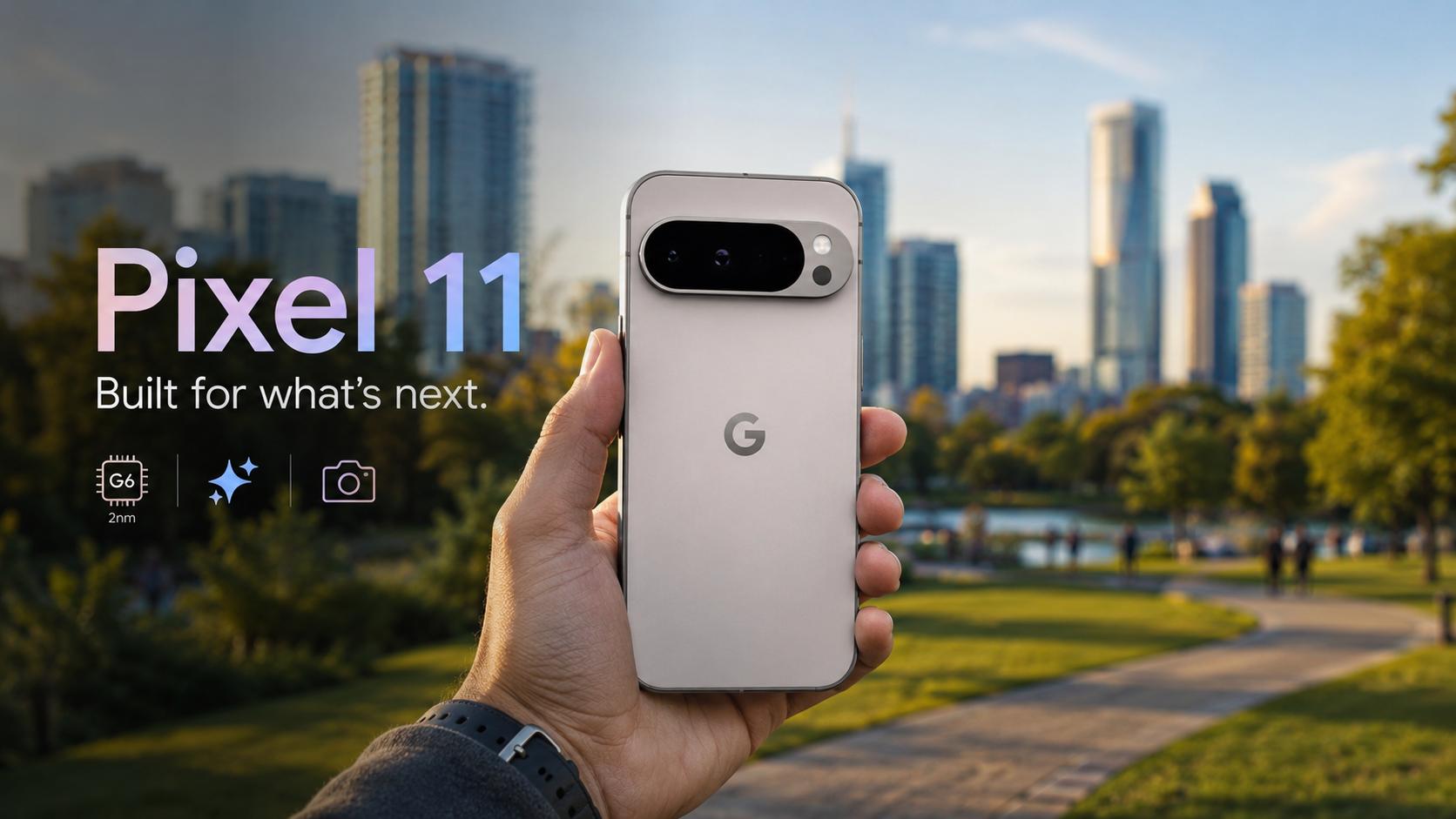
The global smartphone market is currently experiencing a major shift in design and processing power. Google is positioning itself at the very center of this technological revolution. Recent reports suggest that the upcoming Google Pixel 11 Series will represent a massive departure from previous hardware iterations. Therefore, industry analysts are closely watching every move made by the Mountain View technology giant. The company intends to unify its software prowess with genuinely competitive internal components.

The upcoming lineup includes four distinct models tailored for various consumer segments. These devices consist of a base model, two premium variations, and a large-screen foldable. Remarkably, each unit utilizes a custom-designed chipset to enhance the overall user experience. Consequently, the integration between the operating system and the hardware reaches a new level of efficiency. This strategy aims to solidify the brand’s position against established rivals like Apple and Samsung.
Core Architecture and the Google Pixel 11 Series Leaks
The heart of these upcoming devices is the next-generation Tensor G6 chipset. This processor is internally known by the codename Malibu. It represents a significant technological leap because it uses a 2nm fabrication process. Specifically, Google has chosen TSMC to manufacture these advanced silicon wafers. This move away from Samsung’s foundries should result in much better thermal management.
Previous generations of Tensor chips often struggled with excessive heat during heavy tasks. However, the 2nm node offers a much higher transistor density. This allows for better performance without a massive increase in power consumption. Furthermore, the move to TSMC aligns Google with other industry leaders in semiconductor technology. This transition is essential for the long-term success of the flagship mobile division.
Technical Breakdown of the Tensor G6 CPU
The CPU architecture in the Tensor G6 is quite unique for a modern flagship. It reportedly utilizes a seven-core layout instead of the traditional eight-core configuration. This cluster consists of one high-performance prime core and several efficiency units. The primary core is an ARM C1-Ultra running at a impressive 4.11GHz. Consequently, single-core tasks like app launches should feel incredibly fast and responsive.
Accompanying the prime core are four ARM C1-Pro performance cores clocked at 3.38GHz. Meanwhile, two additional C1-Pro efficiency cores handle background processes at 2.65GHz. This specific core arrangement aims to optimize the phone for real-world usage patterns. Historically, Google has prioritized practical speed over theoretical benchmark numbers. Therefore, the Tensor G6 should excel in daily navigation and complex AI interactions.
Tensor Silicon Evolution
Visualizing the massive leap in AI performance (TOPS) following the transition to TSMC 2nm architecture.
Graphical Performance and Potential Bottlenecks
While the CPU sees a major boost, the graphics processor tells a different story. Reports indicate that the Tensor G6 will use an older PowerVR GPU. Specifically, it features the PowerVR C-Series CXTP-48-1536 architecture from late 2021. This choice might limit the device’s potential in high-end mobile gaming. However, Google appears to be focusing on silicon size and cost efficiency.
Reusing an older GPU block allows for a smaller total die area. Consequently, the company can produce more chips at a lower cost per unit. This strategy is likely a response to rising component prices across the industry. Furthermore, most users do not require extreme graphics power for standard daily activities. Accordingly, the Google Pixel 11 series may not target the hardcore gaming demographic.
Global Pricing Trajectory
Historical launch prices vs. the projected Pixel 11 MSRP (USD).
Networking Upgrades and the MediaTek Partnership
A major change is coming to the networking capabilities of the new lineup. Google is finally ditching the Samsung Exynos modems used in previous years. Instead, the company has partnered with MediaTek to provide the M90 modem. This modem is significantly more efficient than previous solutions used by Google. Therefore, users should experience better battery life when using 5G networks.
The M90 modem supports advanced features like dual-active 5G and satellite connectivity. Specifically, it can reach peak downlink speeds of up to 12 Gbps. This partnership represents a broader strategic shift in Google’s supply chain management. Meanwhile, MediaTek is also assisting with the development of custom I/O components. This collaboration ensures that the Pixel 11 stays connected in any environment.
The Strategic Importance of the Google Pixel 11 Series Leaks
| Model Name | Internal Codename | Display Size | Battery Rating |
| Pixel 11 | Cubs | 6.3-inch OLED | 4,840 mAh |
| Pixel 11 Pro | Grizzly | 6.3-inch LTPO | 4,707 mAh |
| Pixel 11 Pro XL | Kodiak | 6.8-inch LTPO | 5,000 mAh |
| Pixel 11 Pro Fold | Yogi | 8.1-inch Inner | 4,658 mAh |
The table above illustrates the diverse range of devices expected this year. Google is clearly targeting several different niches within the flagship market. For example, the Cubs model offers a compact experience for mainstream users. Conversely, the Kodiak variant provides a massive canvas for multimedia and productivity. Every device in this lineup benefits from the same 2nm silicon foundation.
Display Innovation and the M16 OLED Panel
The visual experience is receiving a major boost through new screen technology. Google is reportedly using Samsung’s top-tier M16 OLED panels for the entire series. These panels are expected to be brighter and more efficient than before. Specifically, the Pro models can hit a peak brightness of 3,600 nits. This ensures that the display remains perfectly legible under direct sunlight.
The M16 technology also allows for thinner bezels on the front of the devices. Therefore, the screens feel more immersive than previous generations of Pixel hardware. Furthermore, the LTPO panels in the Pro models support a 1Hz refresh rate. This feature helps to preserve battery life when viewing static images or text. Consequently, the Google Pixel 11 series offers one of the best viewing experiences available.
The Evolutionary Design of the Camera Bar
Google is refining the iconic camera bar that defines the brand’s identity. Recent renders suggest an all-glass design reminiscent of earlier flagship models. This new aesthetic eliminates the metal frame accents for a cleaner look. Specifically, the module appears more integrated into the rear glass of the phone. Remarkably, the camera bar is also becoming slightly slimmer on certain models.
The standard Pixel 11 dimensions will be approximately 152.8 x 72 x 8.5 mm. This indicates that the device remains compact and easy to hold. However, the Pro models feature a slightly different layout to accommodate more lenses. The all-black camera module provides a sophisticated and premium appearance. Consequently, the design balances brand recognition with modern hardware trends.
Pixel Glow: A New Notification Paradigm
A standout feature in the 2026 lineup is a system called Pixel Glow. This hardware addition consists of an RGB LED array on the back. It reportedly replaces the temperature sensor found on previous Pro models. Specifically, the lights are embedded directly into the camera bar module. This allows the phone to signal users when it is face down.
The system works similarly to the notification lights on Nothing smartphones. Therefore, users can see alerts without ever turning the screen on. Furthermore, the lights can indicate battery levels or AI interaction status. Remarkably, the Android 17 code suggests that this feature requires dedicated hardware. This innovation represents a new way to interact with a silent device.
Imaging Excellence and New Camera Sensors
Google is finally upgrading the physical camera sensors across the whole lineup. This marks a departure from the long-term reliance on software alone. The base model and the foldable will receive the Chemosh sensor. This is a new 50MP main sensor designed for improved clarity. Consequently, even the standard models will capture much more detail in low light.
The Pro models are getting even more specialized imaging hardware this year. Specifically, they will feature sensors codenamed Bastet and Barghest for the main and telephoto lenses. These sensors aim to improve dynamic range and zoom performance significantly. Furthermore, a new custom image signal processor named Metis handles the data. This ensures that Google’s computational photography remains at the industry’s forefront.
Optical Hardware Matrix
Comparing key imaging metrics for the Pixel 11 Pro against current industry benchmarks.
Detailed Analysis of the Google Pixel 11 Series Leaks
| Component | Specification | Benefit |
| SoC | Tensor G6 (2nm TSMC) | Improved thermal efficiency |
| Main Sensor | 50MP (Bastet / Chemosh) | Higher detail and dynamic range |
| Modem | MediaTek M90 | Faster 5G and better signal |
| Display | Samsung M16 OLED | Industry-leading brightness |
The data above reveals a clear focus on hardware parity with rivals. Historically, Pixels have trailed in raw specifications compared to other flagships. However, these new upgrades bridge the gap in several critical areas. The Tensor G6 provides a competitive foundation for next-generation AI tasks. Similarly, the M16 display technology matches or exceeds current premium standards.
Memory Management and the RAM Crisis
A controversial aspect of the upcoming devices involves the memory configurations. Reports suggest that Google may reduce RAM to manage production costs. Specifically, the base Pixel 11 might ship with 8GB or 12GB of RAM. This is notable because previous models had started moving toward higher capacities. Meanwhile, the Pro models will likely offer 12GB and 16GB options.
A global shortage of memory chips is likely driving these hardware decisions. Therefore, some lower-tier variants may feel slightly less future-proof for intensive multitasking. However, Google’s software optimizations are expected to handle these limitations gracefully. Furthermore, the new Tensor TPU will alleviate some pressure from the system RAM. Consequently, the actual user experience should remain smooth and responsive.
The Biometric Future: Project Toscana Delays
Many enthusiasts were hoping for an under-display Face ID system this year. Internally, Google has been developing this technology under the name Project Toscana. However, recent leaks indicate that the system is not yet ready. Specifically, the hardware sensors require more refinement before a mass release. Therefore, the Pixel 11 will likely keep the existing biometric solutions.
The current Face Unlock system is already quite secure for mobile banking. Nevertheless, an infrared-based system would offer much better performance in dark environments. Google appears to be prioritizing stability over rushing an incomplete feature. Furthermore, other manufacturers like Apple already offer established facial scanning hardware. Accordingly, Google must ensure its solution is truly competitive before launch.
Android 17 and Seamless Software Integration
The new hardware will debut alongside the latest version of Android. Specifically, Android 17 introduces features designed to leverage the Pixel Glow hardware. This includes custom light animations for different notifications and contacts. Furthermore, the operating system includes new multitasking tools like App Bubbles. These bubbles allow users to keep floating windows active across apps.
This tight integration between software and hardware is a hallmark of Google. Consequently, features like the Metis ISP work seamlessly with the camera app. Similarly, the Santafe TPU accelerates AI tasks directly within the user interface. Therefore, the Google Pixel 11 series should offer the smoothest Android experience yet. Remarkably, the software also includes cross-device handoff features for multiple devices.
AI Evolution: The Santafe TPU and Gemini
Artificial intelligence is becoming the primary differentiator for modern mobile devices. The Tensor G6 includes a dedicated TPU codenamed Santafe for this purpose. Specifically, it is designed to run large language models like Gemini locally. This reduces the need for constant cloud connectivity for basic AI tasks. Consequently, the phone can process data more privately and much faster.
The Santafe TPU also supports a new feature called Proactive Assistance. This allows Gemini to offer helpful suggestions before you even ask. Furthermore, it enhances on-device image and video remastering tools. These tools can remove reflections or sharpen blurry photos in seconds. Remarkably, this hardware enables a level of intelligence previously seen only on servers.
On-Device AI Request Lifecycle
The Pixel 11 prioritizes local silicon for 85% of Gemini interactions to maximize privacy and reduce latency.
The Foldable Challenge: Pixel 11 Pro Fold
Google is continuing its push into the foldable market with Yogi. This device reportedly features a massive 8.1-inch inner folding display. This screen size increase is possible due to much thinner bezels. Specifically, the inner resolution reaches 2076 x 2160 pixels for crisp visuals. Consequently, it is a perfect device for productivity and cinematic media consumption.
The foldable also benefits from the same Tensor G6 processing power. However, it utilizes the 50MP Chemosh sensor to maintain its thin profile. Furthermore, the outer screen remains a standard 6.3-inch OLED panel. This ensures that the phone is usable even when it is closed. Remarkably, the device is expected to support Qi2 magnetic wireless charging.
Security Infrastructure and the Titan M3 Chip
Security is another area receiving significant hardware attention this year. Every model includes the updated Titan M3 security chip. This chip handles all sensitive data encryption and secure boot processes. Specifically, it protects user biometrics and payment information from external threats. This dedicated hardware ensures a high level of privacy for every owner.
The Titan M3 works in tandem with the Tensor G6 CPU. Therefore, security checks do not slow down the overall system performance. Furthermore, the chip is designed to resist physical tampering and side-channel attacks. Google has long been a leader in mobile security hardware. Consequently, the Pixel 11 series continues this tradition with even more robust protections.
Battery Technology and Charging Efficiency of Google Pixel 11 Series
Battery life is always a major concern for modern smartphone users. The base Pixel 11 features a 4,840 mAh battery unit. Meanwhile, the Pro XL model offers a larger 5,000 mAh capacity. Specifically, the 2nm fabrication of the Tensor G6 should improve endurance. Consequently, these devices might finally offer multi-day battery life for light users.
Charging speeds are also expected to see a modest increase this year. The Pro XL variant may support up to 45W wired charging. Furthermore, the entire lineup will likely include Qi2 wireless charging support. This allows for magnetic alignment with various charging pads and accessories. Therefore, keeping your device powered up should be easier and faster.
Charging Efficiency Matrix
Mapping battery capacity vs. peak charging wattage for 2026 flagships.
Market Impact of the Google Pixel 11 Series Leaks
The upcoming launch represents a critical moment for Google’s mobile division. The company has invested billions into custom silicon and manufacturing partnerships. Specifically, the move to TSMC marks a major win for hardware reliability. Remarkably, Google’s cloud revenue grew by 48% due to AI demand. This success provides the capital needed to compete at the highest level.
Google is also targeting a summer launch to avoid competition with Apple. By releasing in August, the Pixel 11 captures the news cycle alone. Furthermore, this timing allows the device to reach customers before the school season. Historically, Pixels were released in October, which was often too late. Consequently, the new schedule is a smart move for market penetration.
Final Thoughts on the 2026 Hardware Strategy of Google Pixel 11 Series
The Pixel 11 series is shaping up to be a hardware powerhouse. Every major component from the screen to the modem is seeing an upgrade. Specifically, the transition to 2nm silicon is a game-changer for the brand. Furthermore, the inclusion of the Pixel Glow system adds a unique flair. This innovation helps the brand stand out in a crowded market.
While some may worry about GPU performance, the AI benefits are clear. Google is building a device for the future of intelligent computing. Therefore, the focus on the TPU and ISP is entirely logical. Consequently, the Pixel 11 series is likely to be a massive hit. It represents the true potential of Google’s vertically integrated hardware vision.
Support Our Work
Help us keep creating and maintaining our projects. We appreciate your support!
Ways to contribute:
Shop via Affiliate LinksSupport us at no extra cost to you while you shop.
Support on Ko-fiBuy us a coffee to keep the engine running!


Leave a Reply