

- The device does not come with headphones or a SIM card. It does include a generic (Mfi certified) charger and charging c…
The Evolution of the Apple iPhone Upgrade Program
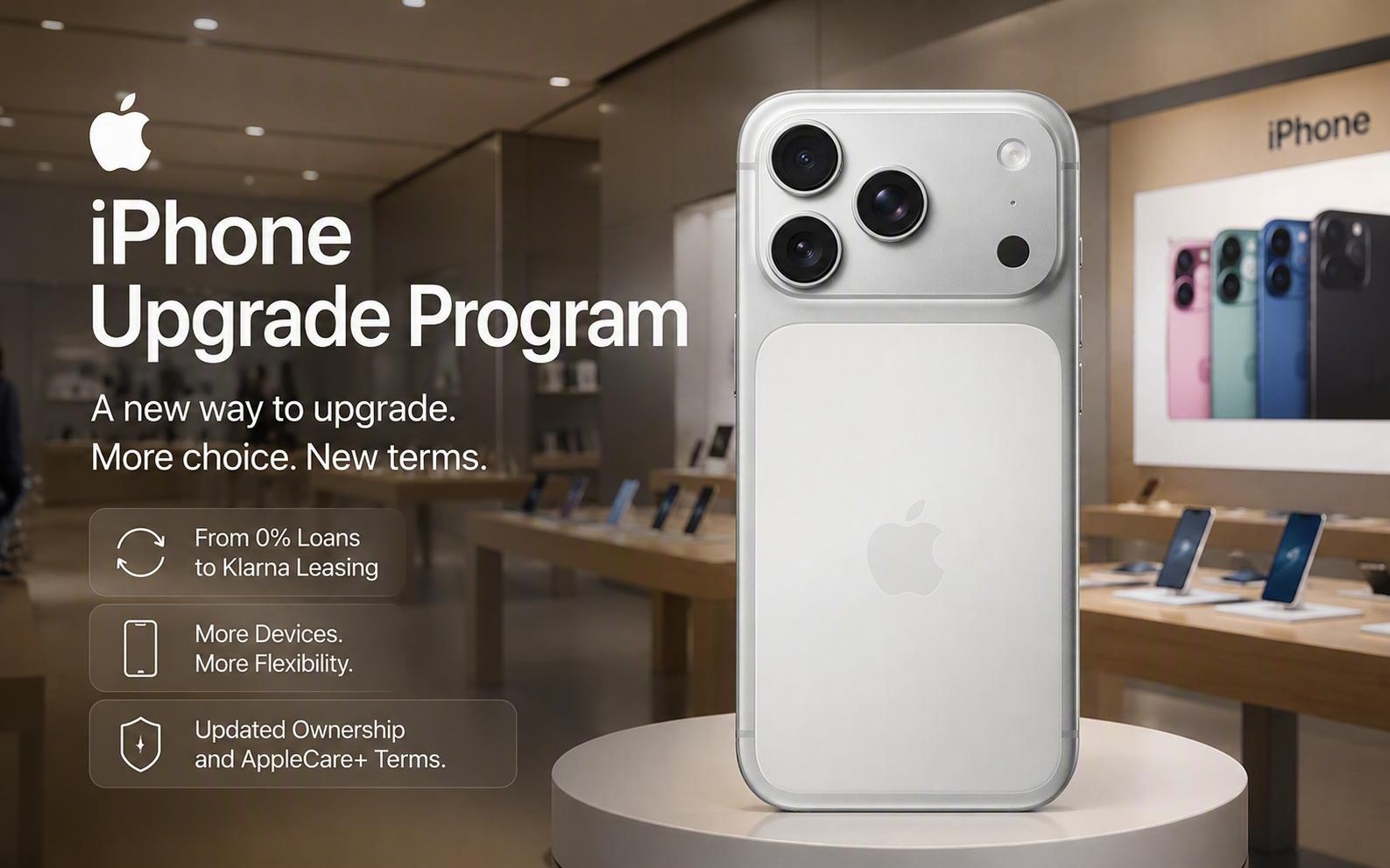
Apple recently announced major operational updates regarding the Apple iPhone Upgrade Program in North America. Specifically, the consumer tech giant retired its long-standing consumer financing platform after a decade. The original program offered zero-percent interest loans bundled alongside full device insurance coverage. Meanwhile, active members can continue their existing monthly payments until their contracts expire. New enrollments now divert toward a hardware subscription agreement managed by Klarna.
The legacy option required participants to complete twenty-four equal monthly installment payments. However, users could return their old smartphone after making twelve full monthly payments. The returning hardware had to power on without display cracks or structural damage. Furthermore, Citizens Bank served as the primary financial partner for these loan contracts. This arrangement allowed shoppers to upgrade their devices on an annual cycle.
💰 Financing Options Compared
Structural operational distinctions across available financing avenuesTransitioning from Installment Loans to Hardware Leases
Apple Upgrade operates as a direct equipment lease rather than a traditional installment loan. Therefore, monthly fees grant hardware usage rights rather than accumulating equity over time. Customers can select twelve-month or twenty-four-month leasing options for their new smartphones. Additionally, applicants undergo a quick soft credit check during the checkout process. Soft credit inquiries prevent potential damage to consumer credit scores during enrollment evaluations.
The structural framework changes how device protection attaches to monthly customer payments. In contrast, legacy loan contracts automatically included comprehensive AppleCare+ warranty coverage. The updated leasing service sells AppleCare+ as an optional separate monthly subscription. Consequently, shoppers must evaluate damage protection costs separately from base lease rates. Unprotected hardware returned with physical damage incurs additional repair assessment charges at surrender.
Product Expansion and Exclusions in New Offerings
The revamped subscription framework extends leasing options far beyond mobile phone product lines. For instance, buyers can lease Mac computers, iPads, and Apple Watches now. Laptop and tablet subscriptions feature extended lease durations reaching up to thirty-six months. Monthly rates start at seventeen dollars and ninety-nine cents for qualifying smartphones. Moreover, users can reduce monthly rates by trading in older secondary devices.
📦 New Lease Hardware Framework
Expanded product support, lease terms, and strict eligibility boundaries💲 Lease Pricing & Terms
- ➡️ Starting rate for qualifying smartphones
- 🕑 12 to 24-month smartphone terms
- 📅 Up to 36-month laptop/tablet terms
- 🔁 Rate reduction via older device trade-in
✅ Eligible Flagship Models
- 📱 Apple iPhone
- 💻 Apple Mac Computers
- 📱 Apple iPad
- ⏰ Apple Watch
❌ Strict Exclusions
- 🚫 Base Model iPads
- 🚫 Apple Watch SE Models
- 🏢 Enterprise Accounts
- 🎓 Educational Institutions
Apple enforces strict eligibility boundaries across its consumer hardware catalog for leasing. Modern flagship models receive full subscription support, driving adoption among tech enthusiasts. Instead, entry-level items like base iPads and Apple Watch SE models remain excluded. Enterprise accounts and educational institutional orders cannot access these consumer lease plans. As a result, commercial buyers must rely on traditional enterprise procurement arrangements.
Remote Management and Security Protocols
Operating system code within iOS 27 outlines robust operational management features. Apple introduced a backend system lock designated as Partner Finance Lock. The software protocol links lease accounts directly with core hardware security frameworks. Financial partners gain effective software mechanisms to handle default accounts. Disabling unreturned leased units protects lending partners against unauthorized secondary resale.
🔒 Partner Finance Lock
Robust iOS 27 backend system locking mechanisms for default lease accountsDelinquent lease accounts trigger remote activation features that lock unit functionality. Locked devices restrict screen access, rendering the physical components completely nonfunctional. Nevertheless, regular account payments ensure uninterrupted daily device access for verified consumers. Completing final buyout payments removes security locks, transferring full title rights. Thus, security enforcement targets noncompliant lease accounts without disturbing active subscribers.
Comparative Financial Analysis of Options
Navigating Apple payment options requires examining long-term consumer costs and terms. Direct financial comparisons illuminate structural differences across available financing avenues today. For example, installment loans build equity while leasing prioritizes lower initial payments. Card financing offers cashback rewards but requires dedicated revolving credit lines. Structured tabular data clarifies key operational distinctions for prospective program applicants.
| Financing Feature | Legacy Upgrade Program | Apple Upgrade Lease | Apple Card Plan |
| Financing Mechanism | 24-Month 0% APR Loan | 12/24-Month Lease | 24-Month Installment |
| Banking Partner | Citizens Bank | Klarna Group | Goldman Sachs |
| Credit Check Type | Hard Credit Inquiry | Soft Credit Inquiry | Hard Credit Inquiry |
| AppleCare+ Coverage | Included in Price | Optional Add-on | Separate Purchase |
| Hardware Coverage | iPhone Only | iPhone, Watch, Mac, iPad | All Apple Products |
| Ownership Rights | Own After 24 Months | Klarna Retains Title | Own After 24 Months |
Choosing between lease agreements and installment loans depends on personal upgrade frequencies. Frequent upgraders gain financial efficiency by avoiding full purchase price burdens. Conversely, long-term owners save money by completing loans and eliminating recurring fees. Apple Card users receive three percent daily cashback on lease transactions. Selecting appropriate financing aligns monthly spending with long-term personal technology requirements.
📈 Consumer Financing Strategy
Aligning monthly spending with personal technology requirementsStrategic Shifts in the Tech Hardware Market
Electronics manufacturers increasingly adopt subscription models to drive predictable corporate revenue streams. Partnering with Klarna transfers consumer credit risk away from Apple directly. Meanwhile, component price pressures push retail hardware costs higher across global supply chains. Lower advertised lease payments reduce upfront purchasing friction at point-of-sale touchpoints. Hardware subscriptions encourage continuous product adoption cycles among mainstream retail consumers.
Continuous device leasing secures customer retention within proprietary cloud ecosystem networks. Returned devices supply certified pre-owned supply channels, generating additional secondary profit margins. Furthermore, competing hardware vendors may launch similar equipment leasing services soon. Recurring business structures reshape traditional consumer electronics retail paradigms moving forward. Ultimately, subscription financing ensures sustained consumer engagement across expanding ecosystem portfolios.
Support Our Work
Help us keep creating and maintaining our projects. We appreciate your support!
Ways to contribute:
Shop via Affiliate LinksSupport us at no extra cost to you while you shop.
Support on Ko-fiBuy us a coffee to keep the engine running!



Leave a Reply