


- Universal Carrier Compatibility: This phone is unlocked and compatible with any carrier of choice on GSM and CDMA networ…
- Carrier Verification Required: Please check with your carrier to verify compatibility
- Simple Activation Process: When you receive the phone, insert a SIM card from a compatible carrier. Then, turn it on, co…
The Shift to a Staggered Flagship Rollout
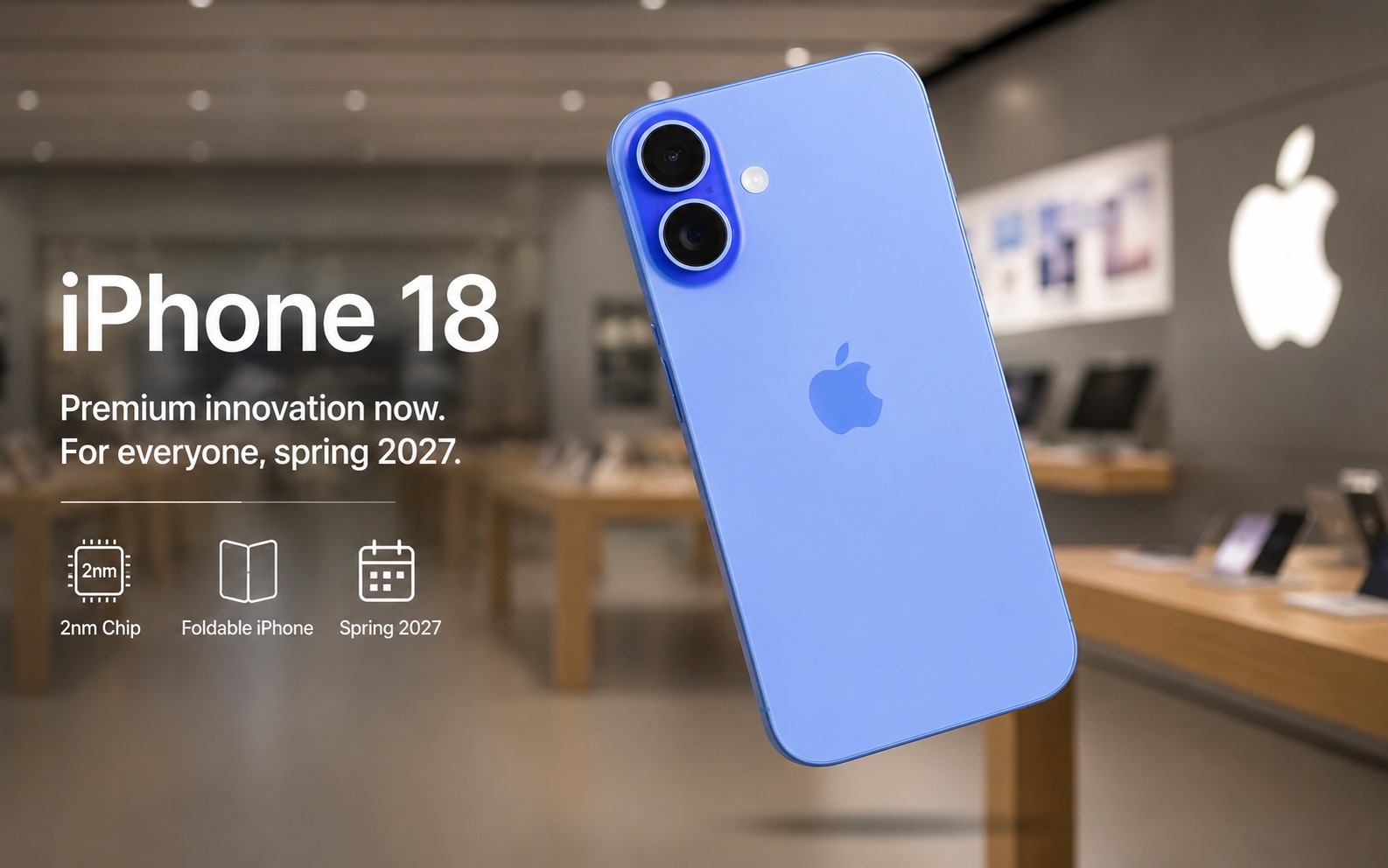
Recent supply chain reports indicate that Apple may delay iPhone 18 base models until early 2027. The tech giant traditionally introduces its entire flagship smartphone catalog during a single September keynote. However, emerging production schedules point toward an unprecedented split in Apple’s annual release calendar. Fall 2026 will showcase premium tier hardware exclusively, including the Pro models and a new foldable handset.
Consequently, standard consumers must wait for a dedicated product showcase during the subsequent spring. The standard iPhone 17 will anchor the base consumer catalog for more than eighteen months. Industry analysts view this staggered cadence as a deliberate adjustment to consumer upgrade behavior.
Semiconductor Architecture and Advanced Packaging
Advanced semiconductor scaling drives much of this architectural bifurcation across the product family. The premium devices will feature TSMC’s 2nm fabrication node with Gate-All-Around transistor architecture. Furthermore, the A20 Pro chipset transitions from InFO packaging to Wafer-Level Multi-Chip Modules. This method integrates system memory directly onto the wafer alongside processing cores. Therefore, on-device artificial intelligence tasks gain substantial bandwidth while consuming less power.
TSMC reports trial manufacturing yields exceeding seventy percent for advanced 2nm silicon wafers. Nonetheless, elevated wafer fabrication expenses compel Apple to restrict this silicon to high-margin models. Base variants may adopt alternate packaging techniques to maintain viable consumer pricing.
Supply Chain Realignment and Why Apple May Delay iPhone 18
Manufacturing diversification initiatives provide significant momentum for the adjusted product timeline. Specifically, Apple is expanding trial manufacturing operations within Indian assembly facilities. Local teams will assemble both the base iPhone 18 and entry-level 18e variants. Meanwhile, assembly partners in China will initiate standard trial production following the Lunar New Year.
Splitting factory production schedules reduces intense operational strain across contract manufacturers. Assembly facilities often face major component shortages during compressed autumn production ramps. Thus, extending the base launch timeline ensures smoother supply allocation across multiple global regions.
Strategic Implications for the Premium Smartphone Market
The staggered release grants maximum commercial visibility to Apple’s first foldable smartphone. Rival manufacturers have dominated flexible display categories across international markets for years. Accordingly, Cupertino requires focused marketing attention to establish its premium hardware identity. Complex folding display components also face tighter initial supply constraints during launch.
Staggered releases also establish consistent revenue streams across all four fiscal quarters. In contrast, traditional single-window launches over-concentrate earnings within the first fiscal quarter. March product introductions will invigorate financial performance during historically weaker sales periods.
Consumer buying habits will naturally adjust to this expanded product release structure. Budget-focused buyers can select discounted previous-generation devices or await spring arrivals. Conversely, enthusiasts seeking cutting-edge hardware will gravitate toward autumn premium flagships. Average selling prices should rise during the initial autumn promotional cycle.
Support Our Work
Help us keep creating and maintaining our projects. We appreciate your support!
Ways to contribute:
Shop via Affiliate LinksSupport us at no extra cost to you while you shop.
Support on Ko-fiBuy us a coffee to keep the engine running!






Leave a Reply