

Assessing the Sudden Retail Shifts
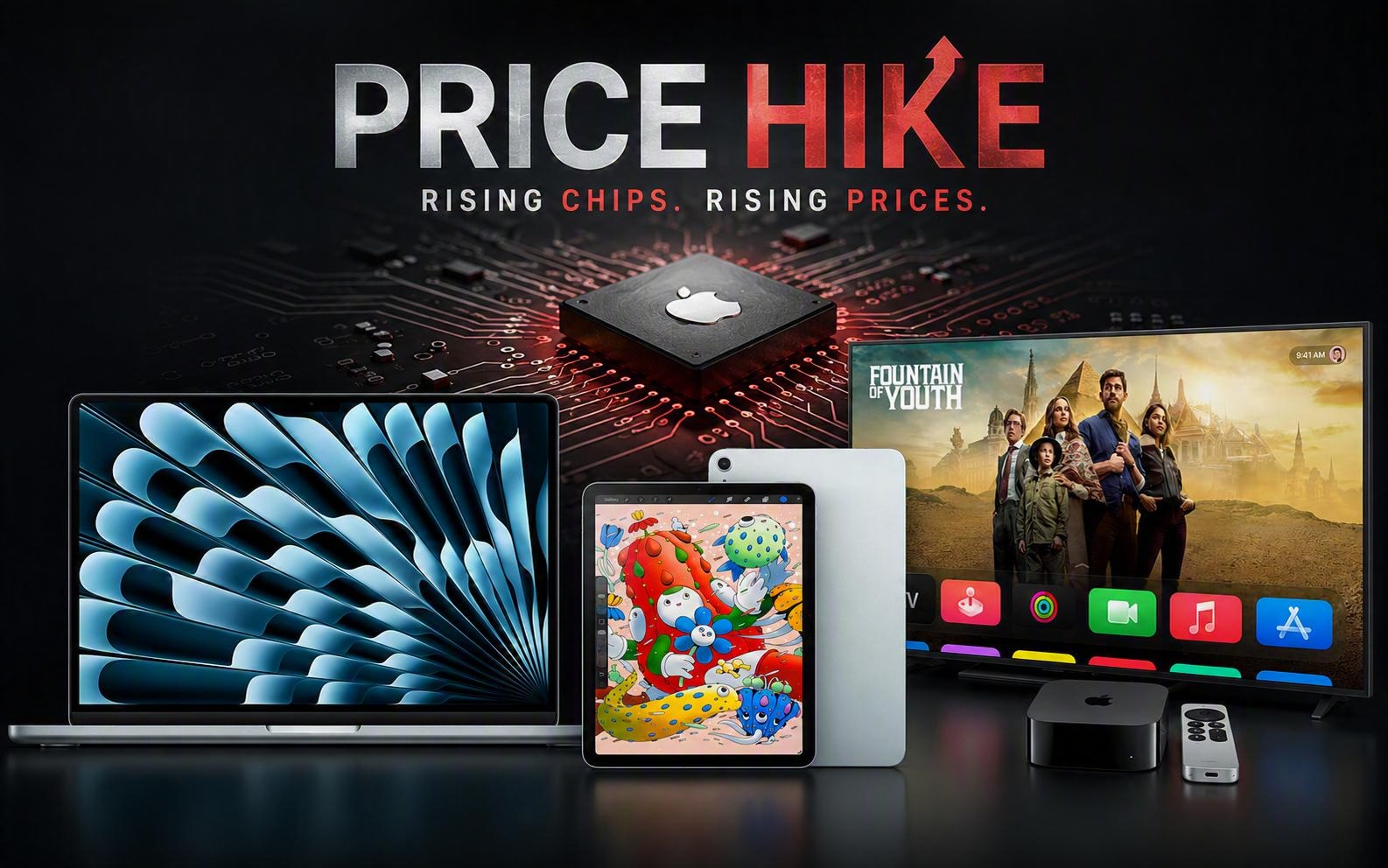
The global consumer tech market experiences a massive shift today. In a sudden announcement, Apple implemented sweeping Apple Product Price Hikes across its major hardware portfolios. These unexpected retail adjustments catch many buyers off guard during a sensitive consumer spending season. Currently, buyers must rethink their tech acquisition plans as retail pricing structures shift globally. Industry observers express surprise at the sudden timing and scale of this pricing adjustment. These global macroeconomic shifts disrupt standard buying cycles for several corporate technology departments today.
These immediate price hikes impact multiple devices, including iPads, Macs, and several smart home products. Meanwhile, the standard iPhone line and the Apple Watch have escaped these retail adjustments for now. The company chose to shield its primary revenue drivers from the immediate shock of rising component costs. This tactical decision helps maintain consumer volume and protects valuable investor confidence during a difficult period. Consequently, the broader impact remains concentrated on secondary computer lines and household hardware.
Understanding Apple Product Price Hikes
The retail pricing increases are highly visible on the company’s official online store. Additionally, the popular thirteen-inch MacBook Air now starts at $1,299 instead of $1,099. This represents a significant jump for students who rely on entry-level portable computers. Furthermore, the professional-grade MacBook Pro systems saw their starting costs rise by several hundred dollars. These cumulative increases across the laptop family highlight a permanent repositioning of the Mac lineup. Hardware procurement costs now weigh heavily on administrative budgets across many modern school systems.
Tablet users also face increased costs on the digital storefront. Specifically, the standard base iPad now costs $449, while the iPad Air rises to $749. These sudden changes make budget-friendly tablets less accessible for average households during this economic cycle. Similarly, the premium iPad Pro now starts at an elevated price point of $1,199. Ultimately, consumers must pay premium prices to remain within the hardware ecosystem.
Behind the Global Crisis: RAM and Foundry Fees
Apple blamed these price increases on an ongoing global memory chip shortage. Unprecedented global demand for artificial intelligence data centers has consumed the world’s supply of RAM and storage. Therefore, component prices have skyrocketed extremely quickly across all key manufacturing sectors. Memory suppliers prioritize high-margin enterprise data center clients over consumer electronics brands. Accordingly, consumer device makers face soaring bill-of-materials expenses for standard system memory.
Moreover, advanced silicon fabrication costs continue to climb steadily. Taiwan Semiconductor Manufacturing Company announced wafer fee increases of up to ten percent for 2026. This pricing pressure affects all major chip designers that rely on advanced sub-three-nanometer lithography. Indeed, manufacturing these sophisticated processors requires massive capital investment and complex overseas business expansion. Thus, Apple must pass these rising fabrication expenses directly to end consumers.
Strategic Corporate Defenses and the US Intel Deal
The consumer technology giant made a deliberate branding decision to shield its most critical products. Naturally, keeping the iPhone prices steady prevents potential damage to high-volume mobile carrier sales. However, major industry analysts warn that future hardware lines remain vulnerable to semiconductor manufacturing inflation. If component prices do not stabilize soon, Apple might raise smartphone pricing eventually. Nonetheless, the company’s current strategy focuses on absorbing costs for its primary cash cow.
To mitigate these domestic vulnerabilities, Apple signed a preliminary chip-making agreement with Intel. This historic arrangement aims to bring advanced processor fabrication to US soil within several years. This deal diversifies Apple’s reliance away from a single manufacturing partner in Asia. Implementing this transition will take considerable time due to complex manufacturing yield requirements. Buyers must navigate these higher market prices while the domestic supply chain slowly develops.
Detailed Summary of the Global Hardware Rate Adjustments
The new pricing structures represent a broad realignment of the consumer electronics value proposition. The standard retail increases vary significantly depending on the specific memory configuration of each device. The fundamental value of the unified hardware and software ecosystem remains a key selling point today. Consumers must decide whether to purchase hardware now or wait for potential market stabilization. These sudden shifts clearly demonstrate how global macroeconomics directly affects consumer tech decisions. Industry analysts anticipate that consumer electronic rates will remain elevated throughout the fiscal year.
| Product | Old Price | New Price | Shift |
| MacBook Neo | $599 | $699 | +$100 |
| MacBook Air | $1,099 | $1,299 | +$200 |
| iPad Standard | $349 | $449 | +$100 |
| iPad Air | $599 | $749 | +$150 |
| Apple TV | $129 | $199 | +$70 |
| HomePod mini | $99 | $129 | +$30 |
This comparison table highlights how the adjustments impact various tiers of the hardware catalog. The entry-level devices actually experience the highest percentage increases relative to their original launch prices. These changes reflect the unavoidable commercial reality of manufacturing in the current semiconductor environment. Successfully navigating these retail increases will require careful financial planning from both consumers and enterprise clients.
Support Our Work
Help us keep creating and maintaining our projects. We appreciate your support!
Ways to contribute:
Shop via Affiliate LinksSupport us at no extra cost to you while you shop.
Support on Ko-fiBuy us a coffee to keep the engine running!






Leave a Reply